Cover image by Brands&People on Unsplash
Throughout 2026, the BuildSkills Academy held a series of Masterclass around the concepts and the reasoning behind why the twin transition of the construction sector is extremely important, and what trends will drive the area in the future.
Across three Masterclasses in Brussels, Berlin, and Bologna, it brought together more than 300 European policymakers, education providers, researchers, industry representatives, and young professionals to explore how the construction sector can prepare for the green and digital transitions. The SDSN contributed to these conversations by bringing together perspectives on skills policy, sustainability education, European knowledge exchange, youth participation, and inclusion.
For the SDSN, the series provided an opportunity to contribute to discussions around the future of construction skills, and to connect the work of the BuildSkills Academy, the SDG Academy, and the SDSN with a wider European community working on education, sustainability, and skills development.
From European skills policy to practical action
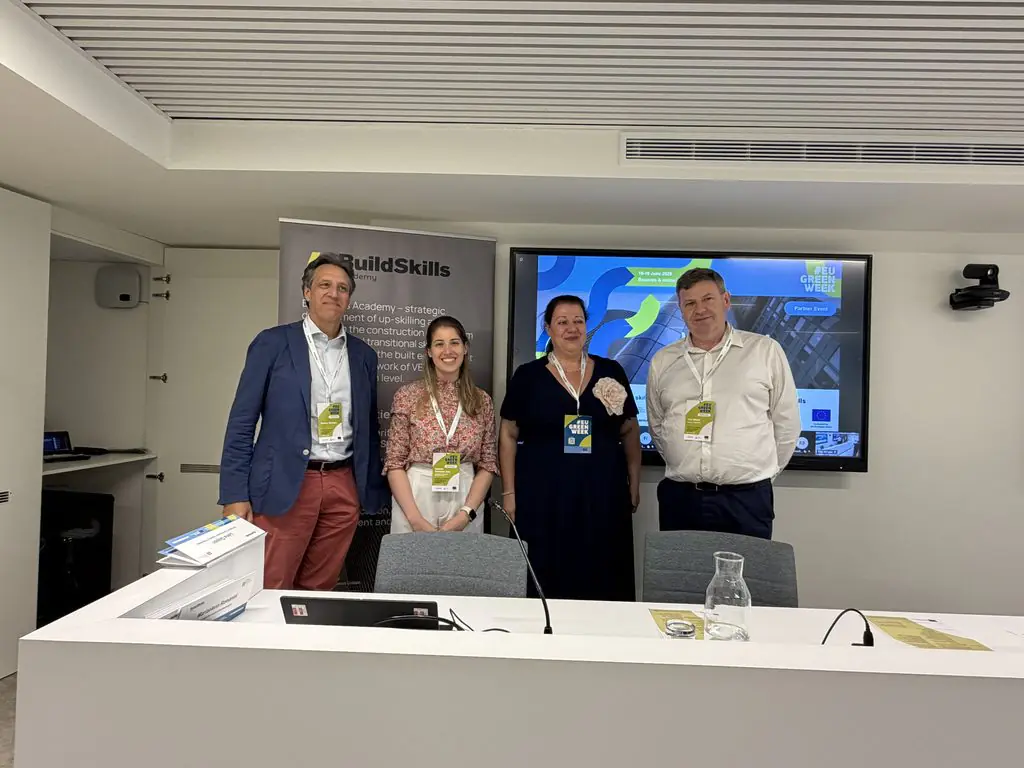
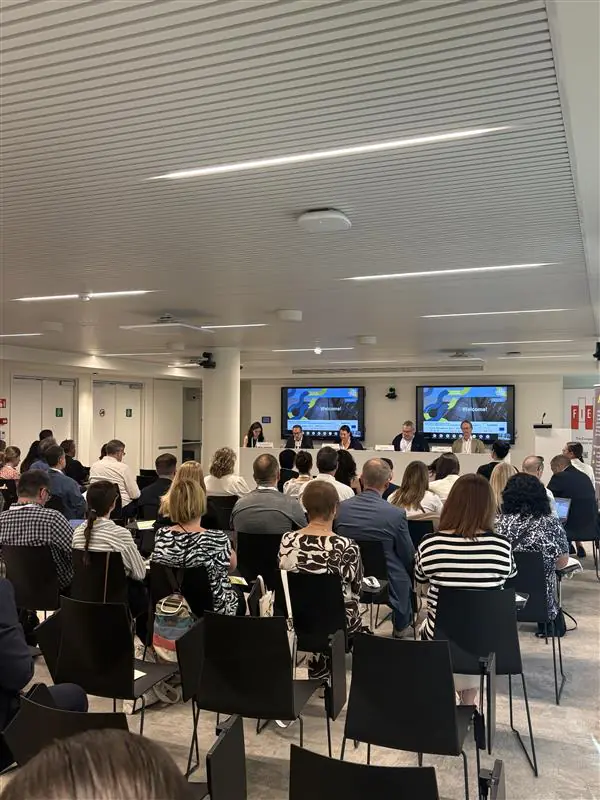
The first Masterclass, held in Brussels on 18–19 June, focused on “The Pact for Skills and What New Skills Will Drive the Twin Transition?” and brought together more than 100 participants from across Europe. As the first training, this event provided the foundation for understanding the policy landscape around skills and employment in the construction sector in Europe, and how this sector can prepare its workforce for the green and digital transitions.
Organised by the BuildSkills Academy, coordinated by Cleantech Bulgaria and the European Construction Industry Federation (FIEC), the Masterclass brought together representatives from European institutions, industry, VET, and higher education providers, research organizations, certification bodies, social partners, and Centres of Vocational Excellence.
The SDSN contributed to the policy discussions through the participation of Prof. Patrick Paul Walsh (University College Dublin), Tremeur Denigot (European education expert) and Isabela Carrozza Joia (SDSN), who contributed to discussions on the skills needed to support Europe’s green and digital transitions. The Masterclass offered an opportunity to connect the SDG Academy’s work with current European policy developments, including the European Commission’s new Union of Skills strategy, which places a strong emphasis on skills portability and the modernization of vocational education and training.
Discussions also highlighted the importance of transversal skills such as analytical thinking, resilience, creative thinking, and learning to learn, alongside technical competences. A recurring theme was the need to connect bottom-up VET practice with top-down European policy, an approach closely aligned with the work of BuildSkills Academy.
All presentations delivered during the Masterclass are available here.
Connecting sustainability education and European networks
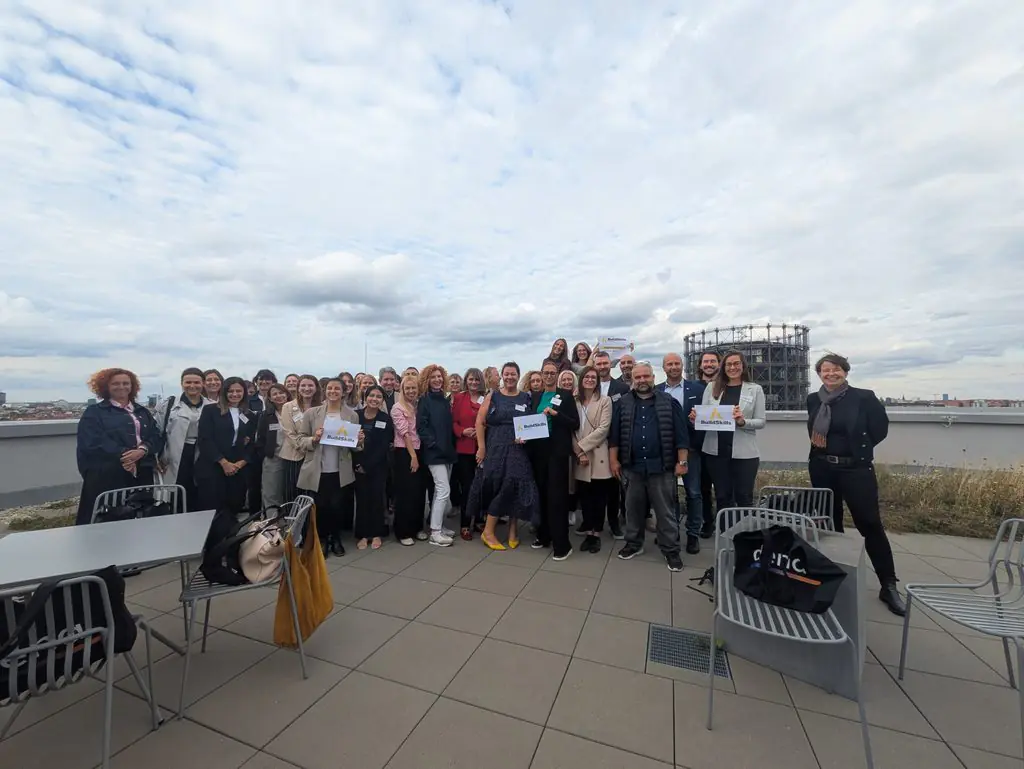
The second Masterclass, held in Berlin on 17–18 September, focused on “Building change: Transformation drivers for construction and training. How will sustainable construction impact the sector’s future?. Co-hosted by Circular Berlin, the German Energy Agency (dena), and Berlin Partner for Business and Technology, the Masterclass examined emerging competencies linked to circular construction, from material assessment and reuse to digital technologies and new approaches to training.
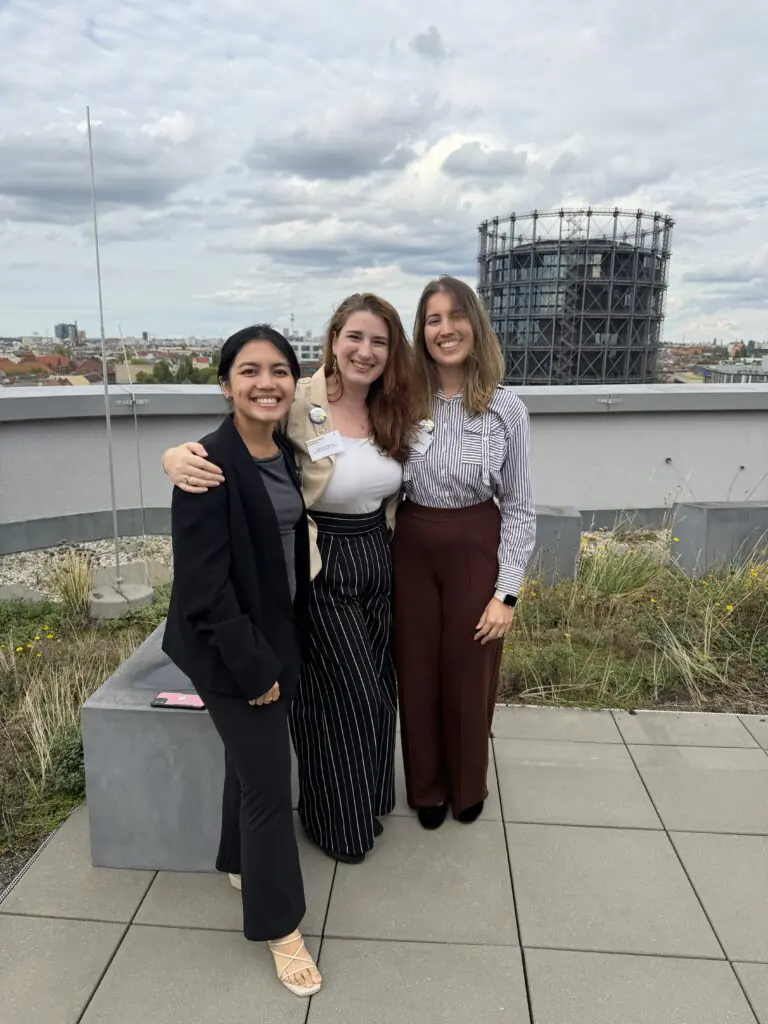
Representing the SDSN were the SDG Academy’s Shannon Kobran, Dawn Adrian, and Isabela Carrozza Joia. Shannon and Dawn, based at the SDSN’s Asia HQ in Kuala Lumpur, brought an international perspective to the consortium, bridging the gap between Europe and Southeast Asia on topics related to circular economy, green and digital transformation, and sustainable development education.
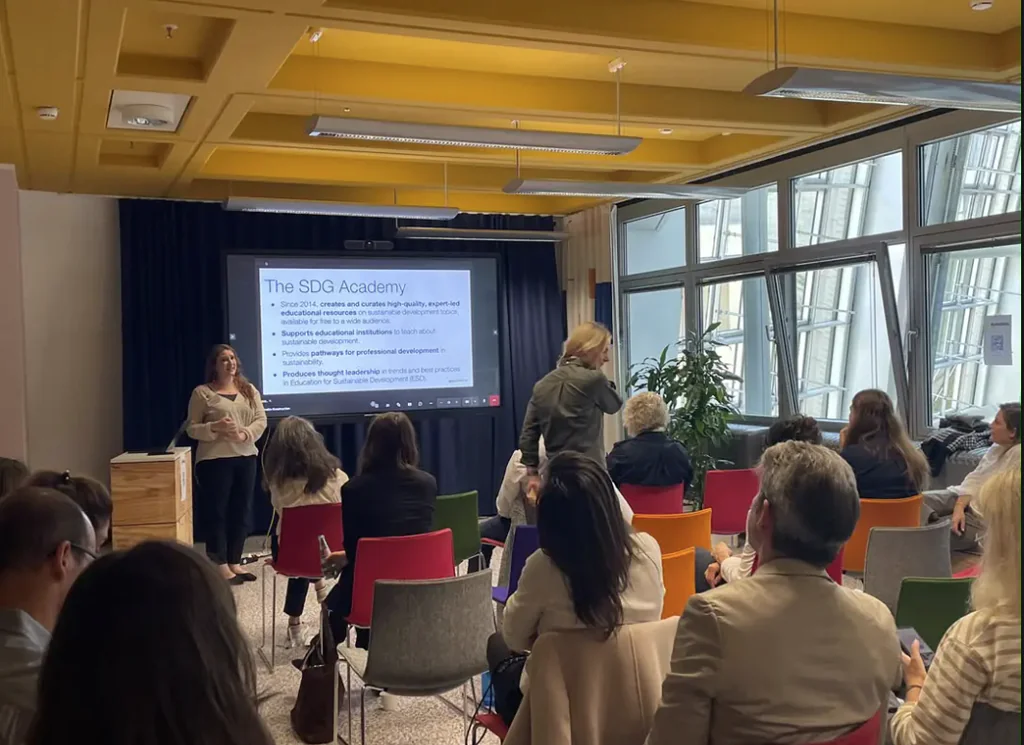
On Day 2, Shannon presented the work of the SDG Academy, introducing participants to its approach to scaling sustainability education and highlighting lifelong learning opportunities and resources available through the SDG Academy, including its open education programs, Master’s pathway, and Book Club with Jeffrey Sachs podcast. The presentation connected the practical skills discussions taking place in Berlin with wider opportunities for learning and capacity-building around sustainable development.
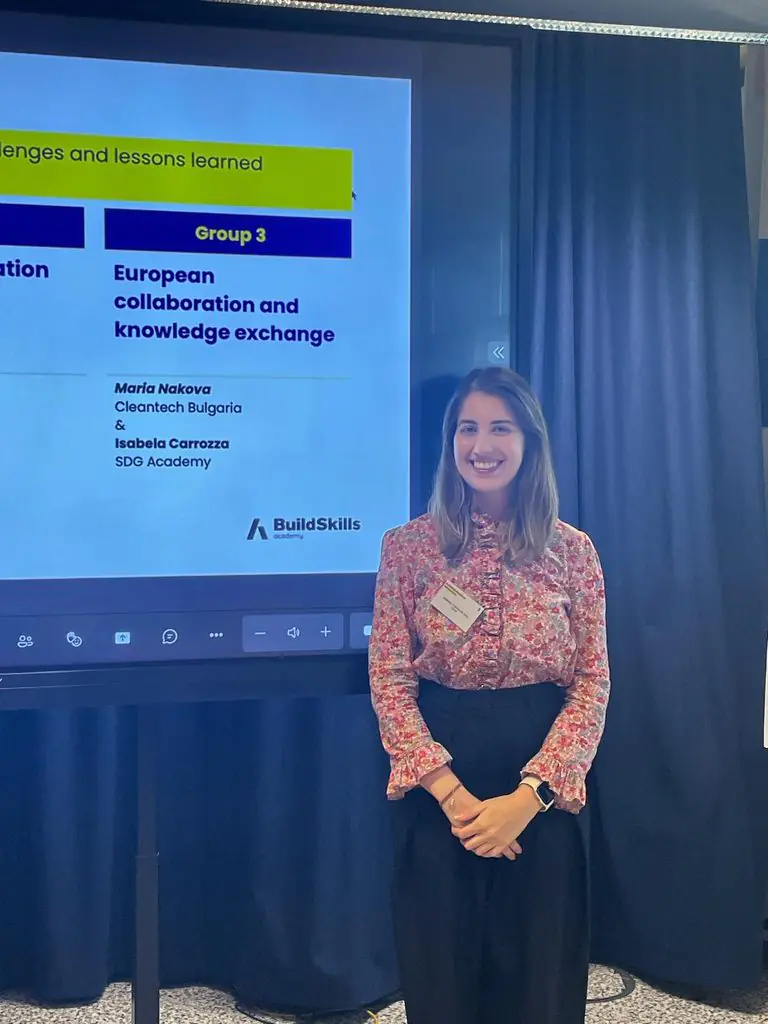
Isabela presented the work of the SDSN Networks program, including its global community of more than 2,200 member organizations across 160 countries, and its work to advance sustainability among its members. The presentation also explored how the SDSN supports cross-border collaboration, bringing together SDSN members and stakeholders through projects, knowledge exchange, and partnerships, such as the Net Zero on Campus initiative or building strong communication strategy for EU projects advancing sustainable development in Europe and beyond. (See examples: CARMINE and UNICO.)
The SDSN’s contribution showcased how innovations move from research and practice into education and training, highlighting the importance of a strong network of partners to ensure sustainable progress.
All presentations are available here: Day 1 & Day 2
Putting young people at the center
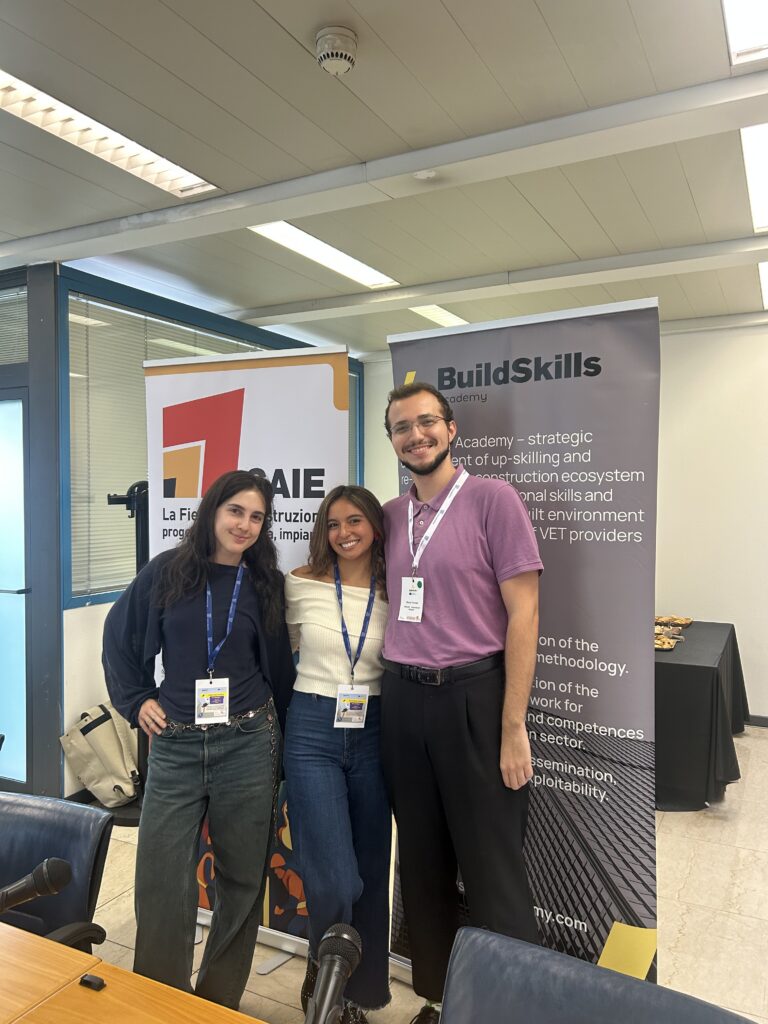
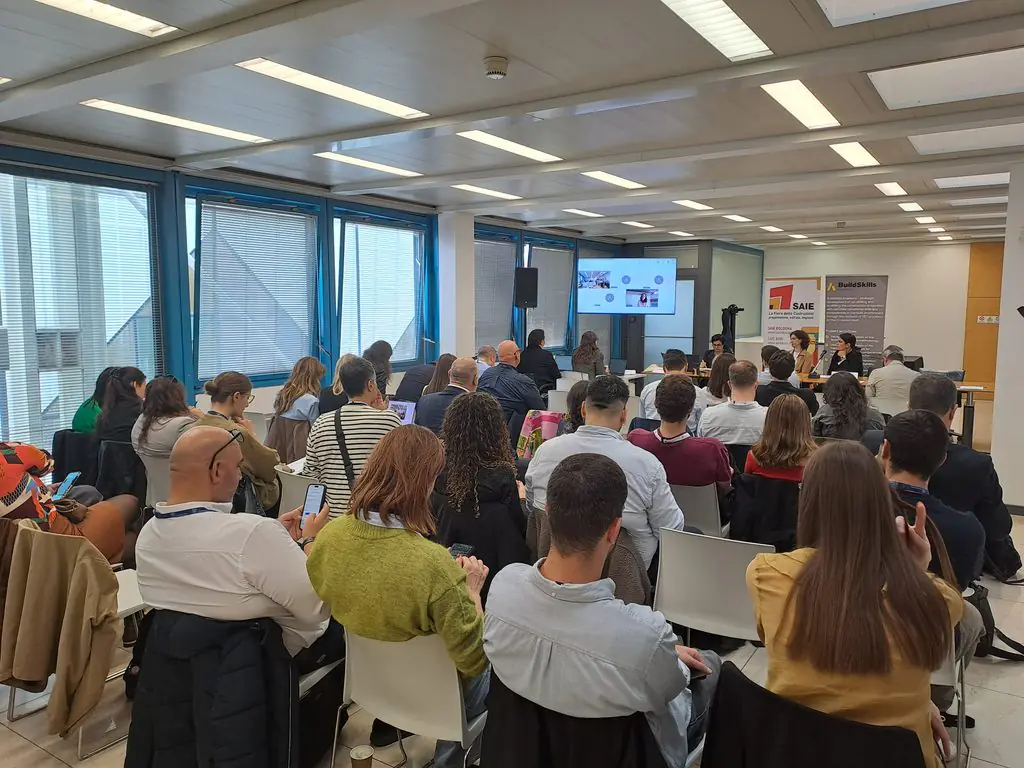
The third Masterclass, held in Bologna on 8–9 October, focused on “Building the Future: Attracting and Retaining Young Talent in Europe’s Construction Sector.” Held at the SAIE International Building Exhibition and organized by Sistemi Formativi Confindustria (SFC), in cooperation with FORMEDIL and SAIE, the Masterclass focused on diversity and inclusion, technology, sustainability, and quality training pathways.
For this Masterclass, the SDSN brought three young professionals to Bologna: Silvia Niculae (Architect, IAESTE, and PhD candidate, Ion Mincu University of Architecture and Urbanism, Bucharest), Laura Camila Molano (International Cooperation Coordinator, Climalab), and Bruno Tavares (Master’s student, University of Glasgow). The SDSN also helped secure Sofia Finzi Longo (Head of Impact Acceleration, Fondazione ICONS) for the panel on “The female talent pool: untapped potential.”
Day 1 was marked by discussions highlighting the importance of creating diverse and inclusive spaces within the sector that are welcoming and safe for everyone, both in terms of inclusion and occupational health and safety. The panel discussions shared several efforts that are making the sector more attractive to young people, offering them opportunities for integration, skills development, and professional growth, together with an exchange on how technology can be used to support work and learning in a healthy and balanced way.
On the second day, the discussion focused on the challenges and opportunities involved in integrating skills development into the sector, both within Europe and beyond. It was also the opportunity to reflect on the future of the construction sector, how today’s actions shape tomorrow’s outcomes, and how public perceptions and attitudes contribute to shaping the sector. Other important topics included the integration of environmental concerns and new technologies into construction, as well as discussions on micro- credentials.
During the two-day discussions, the SDSN participants brought diverse perspectives to discussions on inclusion, gender and age equities, skills development, technology and sustainability. For the youth participants, the event was a great opportunity to explore the construction sector’s challenges and opportunities, connect their studies or work with policymaking, exchange experiences across contexts and learn from different practices across different European countries.
The discussions also reinforced a message particularly relevant to the SDSN’s youth engagement: young people should not only be considered the future of the construction sector, but active contributors to shaping it today.
All presentations are available here.
What’s next for the BuildSkills Academy?
As the Masterclasses series conclude, the BuildSkills Academy will continue to disseminate its discussions, results, and lessons learned and shared via its official channels.
In 2027, the project will hold a final event in Brussels to reflect upon the work of the consortium, combining practitioners’ work throughout four years with policymaking and research for the green and digital transformation in the construction sector in Europe and beyond.
Follow the BuildSkills Academy channels for more information on our upcoming activities:
Meet the SDSN participants
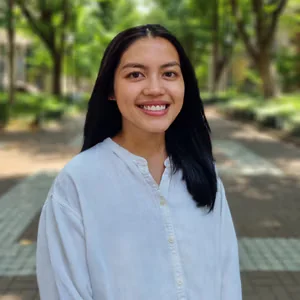
Dawn Adrian, GBA-ASEAN Initiative Consultant, SDSN. Dawn Adrian is a GBA-ASEAN Initiative Consultant for the SDSN, where she supports the project focusing on strengthening sustainability, economic, and financial linkages between China’s Greater Bay Area and ASEAN. Dawn joined SDSN as an Education Manager at the SDG Academy, bringing five years of experience in international education development, data analytics, and project management. She graduated in 2023 with an MS.Ed. degree in International Education Development from the University of Pennsylvania, where she was a Sovereign Wealth Scholar for Sustainable Development. During her studies, Dawn had the opportunity to work at UNESCO Paris with the SDG2030 Inclusive and Gender Equality team.
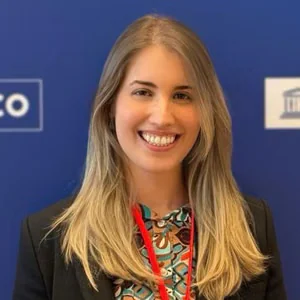
Isabela Carrozza Joia, Project Manager, SDSN. Isabela is a Project Manager in the Networks team at the UN Sustainable Development Solutions Network (SDSN), where she manages three EU-funded projects focused on skills, urban transitions, and climate action: BuildSkills Academy, CARMINE, and JustInClime. She also supports the UNICO project and the development of new proposals focused on advancing sustainable development in Europe and beyond. Her work spans project coordination, stakeholder engagement, communications, and knowledge exchange. Isabela also represents the SDSN on the NGO-UNESCO Liaison Committee, where she acts as its Communications Officer, contributing to improving the Committee’s communication efforts with NGOs in official partnership with the UNESCO Secretariat. She also coordinates its Youth Working Group, bringing together young representatives from civil society organizations around education, sustainability, and youth participation.
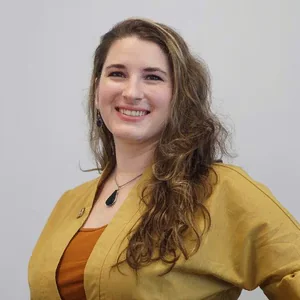
Shannon Kobran, Head of Education and Training, SDG Academy, SDSN. Shannon is an international education professional with over a decade of experience in global development, higher education, and educational publishing. She has been with the SDG Academy since 2018, and, in 2021, moved to Malaysia to oversee the office in Kuala Lumpur. Shannon holds a Master’s degree in International Educational Development from Teachers College, Columbia University, and a Bachelor’s degree in English Literature from Dickinson College, USA. She is currently pursuing a PhD at University College Dublin, researching the impact of public policy on corporate sustainability.
Meet the External Invitees
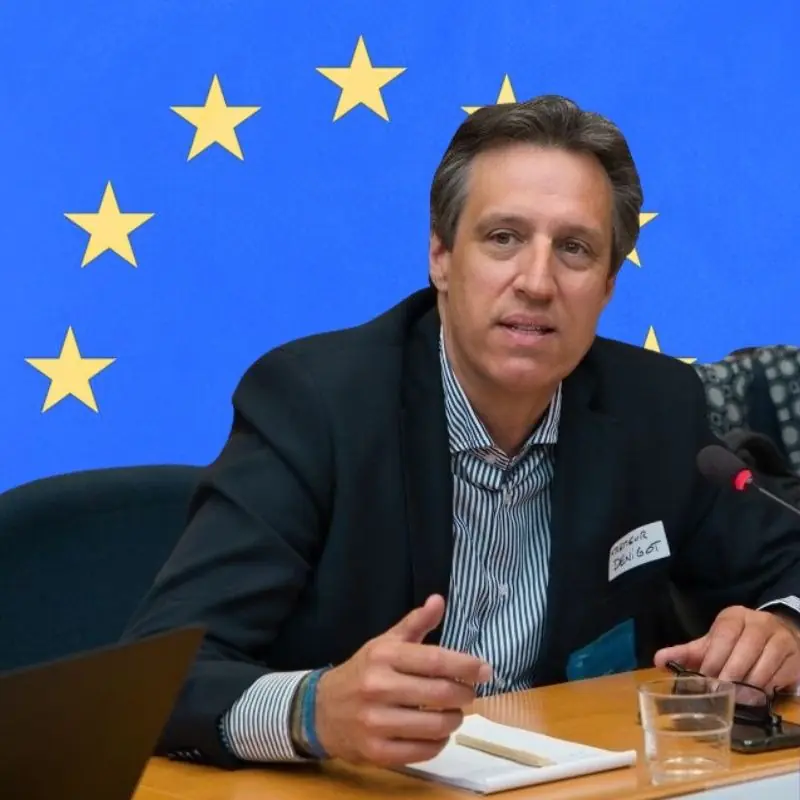
Tremeur Denigot, Educational Expert, Sustainable Education and European Affairs, Tremeur is an educational expert specialised in sustainable education and European Affairs. He has been an educator for 18 years in various international schools in different countries, before joining the European Commission in 2011, where he served as a policy officer managing and designing various European projects with a focus on youth and education. His most recent project involved helping design and develop the European Education Area (EEA) flagship Education for Climate Coalition.
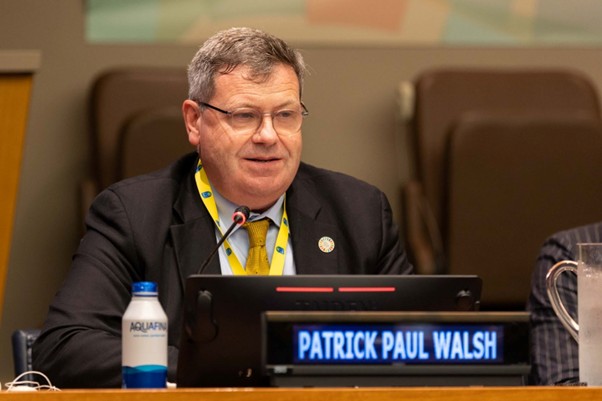
Prof. Paul Walsh, UCD Professor of Global Affairs and Sustainable Futures. Patrick Paul Walsh is a Professor of Global Affairs and Sustainable Futures at University College Dublin (UCD). Director of the UCD M.Sc. in Sustainable Development in partnership with the SDG Academy. Head of Subject Development Studies in the UCD School of Politics and International Relations. He received a Ph.D. in Economics from the London School of Economics in 1994 He is a Government of Ireland, Marie Curie (Brussels), IZA (Bonn), RSA (London), EIIR (Brussels) and REPOA (Tanzania) fellow. Vice President of the Statistical and Social Inquiry Society of Ireland (SSISI). Member of the Leadership Council of SDSN All Ireland. He is the contact point for UCDs consultative status with the UN Economic and Social Council (ECOSOC). From 2022 to 2026, he was on secondment to the UN Sustainable Development Solutions Network (SDSN) as Vice President of Education and Director of the SDG Academy. He also served as Senior Adviser to the SDSN from 2014 to 2022. During the academic year 2014–2015, Paul was a Visiting Senior Research Scholar at the Earth Institute and an Adjunct Professor in the School of International Public Affairs, Columbia University, New York, and participated in the UN Scientific and Technological Community Major Group during the eight months of Intergovernmental Negotiations that lead to the creation of the outcome document “Transforming our World: the 2030 Agenda for Sustainable Development”. He was also involved as a scientist in the creation of the UN GSDR 2014 and 2015 with UN DESA. Contributions to teaching and learning include courses in each academic year from 1988 to 2026 in UCD, TCD, LSE, Columbia University, Harvard Extension School, K.U. Leuven UN HLPF Learning and Staff training in the Irish Defence forces. Among other journals he has published in the Review of Economics and Statistics, Economic Journal, Journal of Industrial Economics, Energy Economics, Electoral Studies, PluS one and Sustainable Development.

Sofia Finzi Longo, Head of Impact acceleration, ICONS. Sofia holds a master’s degree in European and international policies from the Catholic University of Milan and a master diploma in corporate circular responsibility. She has a diverse professional background, from fundraising and marketing to communications, event and project management in the non-profit sector and in private companies, as well as in the public sector. After working as a consultant on sustainability and environmental topics, she joined ICONS in 2021 and currently she is Head of BOOSTER, working on dissemination portfolios under the BOOSTER service contract.
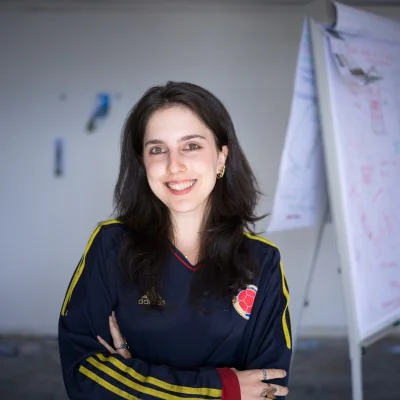
Silvia Niculae, Architect, IAESTE Member, Board member ArhiPera Association & PhD Candidate, Ion Mincu University of Architecture and Urban Planning. Silvia Niculae is a Board member of ArhiPera Association, where she advocates for participatory, community-led solutions for vulnerable communities. Passionate about connecting academia with communities, her open approach facilitates the creation of public interest structures.She is currently a PhD student at the Doctoral School affiliated to the “Ion Mincu” University of Architecture and Urban Planning. She has been a collaborator of the Faculty of Architecture, “Department ‘Basics of Architectural Design” since 2025, at Design Studio 17. Based in Bucharest, Romania, Silvia’s artistic practice explores various visual mediums, such as mixed-media works, scenography, collages, installations, performances and photography, in cross-country projects, research and collaborations all around the world.
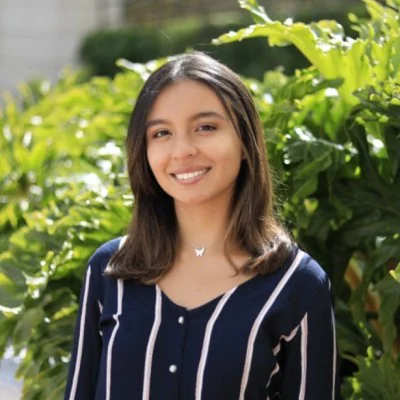
Laura Camila Molano Albarracín. Laura is a Colombian professional currently pursuing a Master’s degree in International Cooperation and Development at the University of Montpellier, France. Her experience spans Latin America and Europe, where she has contributed to international programs and initiatives involving youth engagement, community development and sustainability, including projects supported by Erasmus+. She currently contributes to climate justice initiatives with rural and Indigenous communities in Colombia through Climalab, and serves as a UNESCO Youth Representative for CMAtlv (World Committee for Lifelong Learning). Her interests lie in youth participation, gender equality and inclusive international cooperation.
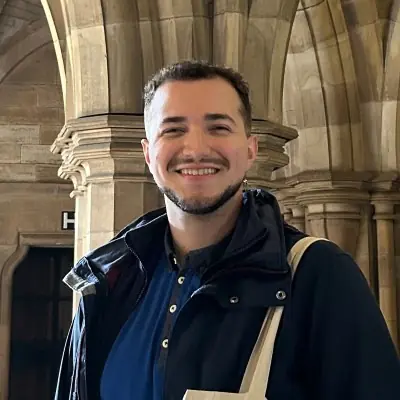
Bruno Tavares, Master Candidate, University of Glasgow. Bruno Tavares is from Maceió, Brazil, and holds a bachelor’s degree in International Relations from the University of São Paulo. He has experience in youth engagement and educational initiatives across Latin America, leveraging technology to expand access to learning. His experience also includes contributing to policy papers on migration and education, as well as teaching English to asylum seekers. He is currently pursuing a master’s degree in Education Policies for Global Development as an Erasmus Mundus scholarship recipient. His research interests include educational inequalities, social justice, and language learning.