by Amber Webb
Cover image UNDP
Summary: Education has gained visibility at recent climate conferences. The next step is to ensure it shapes not only the initiatives announced at COP, but also the decisions that guide global climate action.
Education has come a long way at UN climate conferences. At COP28 in Dubai, a dedicated day for Youth, Children, Education and Skills brought educators and young people into the climate conversation. The Declaration on the Common Agenda for Education and Climate Change signaled growing political recognition that education is essential to progress. A year later, COP29 in Baku built on this momentum through the Baku Initiative on Human Development for Climate Resilience, which elevated the role of education alongside health, skills, and social protection.
These are important developments. They reflect a growing understanding that climate action requires more than new technologies, emissions targets, and financing mechanisms. It also requires people who understand the crisis, can navigate its consequences, and have the knowledge and skills to shape more sustainable futures.
Yet, the momentum is not quite where we need it to be. Much of education’s growing visibility at COP happens through thematic events, voluntary initiatives, and political declarations. These can generate momentum, bring new partners together, and encourage governments to act. However, these movements do not automatically translate into commitments embedded in the formal climate negotiation process, backed by systematic reporting and reviews over time.
The distinction matters. COP’s Green Zone provides space for showcasing solutions, building partnerships, and mobilizing action, but it’s the Blue Zone that hosts the formal negotiations and official processes through which governments come together on climate agreements and how to advance their implementation. This means that education can feature prominently in conference programming while remaining on the periphery of the decisions that shape national climate policy.
Being visible at COP is not the same as having influence over what governments commit to do. If education remains largely on the sidelines of formal climate negotiations, then the role of education in climate action will depend on the priorities of individual presidencies and the enthusiasm of voluntary coalitions, rather than becoming a sustained feature of global climate governance.
What can integrating education into formal negotiations do?
Bringing education into formal climate negotiations is about more than securing a seat at the table. It is about changing the incentives for governments to act. When education is embedded in climate commitments and implementation frameworks, governments have a stronger reason to move beyond one-off initiatives and invest in long-term change. It also creates opportunities to connect education priorities to finance, national planning, and official reporting processes. Rather than relying on individual champions or the priorities of each COP presidency, education becomes part of the machinery through which countries plan and implement climate action.
Formal integration can also help connect partners/entities who too often work in silos. For example, linking education and environmental ministries can ensure that climate education work is not unnecessarily replicated and that the best possible expertise comes together across fields. Likewise, linking education and labor ministries can promote workforce development that becomes the foundation for economic transformation. In short, formal integration of education into a country’s climate commitments can expand current strategies to include human capital development that is so essential to just transitions, while more efficiently bringing people together across fields.
So where do we go from here?
First, embed education in climate commitments and accountability mechanisms. Governments should integrate climate education, education-sector resilience, and the greening of education systems into their Nationally Determined Contributions (NDCs) and National Adaptation Plans (NAPs). But these commitments are only a starting point. Countries also need ways to track progress, from teacher preparation and climate-related learning outcomes, to the resilience of education infrastructure. Existing initiatives like UNESCO’s Greening Education Partnership offer important foundations for these accountability mechanisms. The challenge is to connect these efforts more directly to national implementation, reporting, and international processes.
Second, make sure education is a priority in climate finance and cross-sector planning. Global climate finance surpassed $2 trillion in 2024, yet education remains largely absent from these investments (Climate Policy Initiative, 2026). A review of four major multilateral climate funds found that, between 2006 and 2023, only one of 591 projects had education as its principal objective (GPE & Save the Children, 2023). COP commitments can help close this gap by encouraging governments to integrate education into national climate plans and investment strategies, while signalling to climate funds, development banks, and other financing institutions that education is essential to achieving climate goals. This means directing investment toward climate change education, curriculum reform, teacher preparation, and the technical and vocational skills needed for emerging green industries. By connecting climate commitments to financing priorities, COP can help ensure that investments in the green transition are matched by investments in the knowledge and skills needed to deliver it.
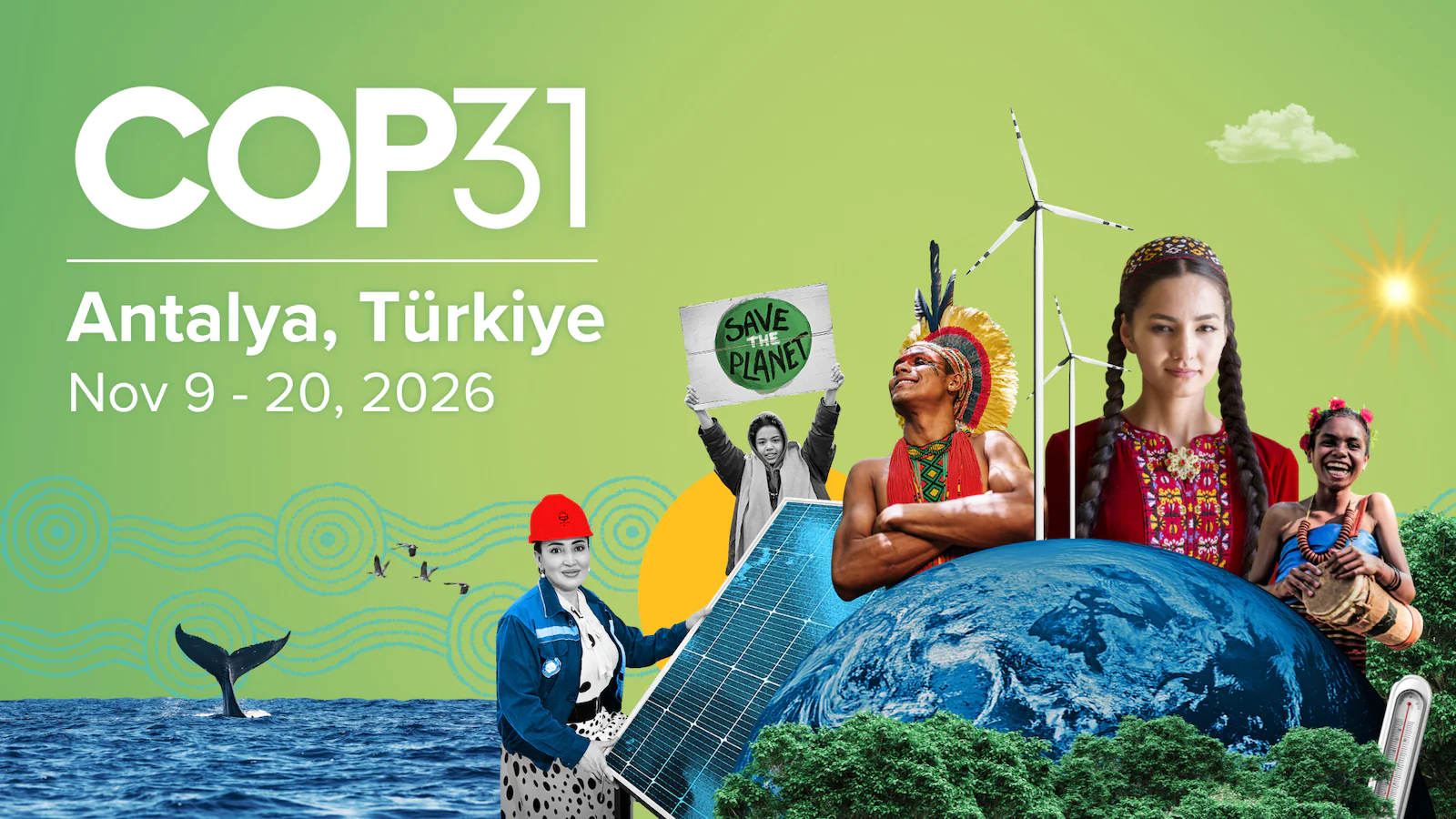
As we approach COP31 in Antalya, Türkiye, we have the opportunity to build on the progress made in Dubai and Baku, while moving beyond visibility and voluntary action. Education does not need another token moment on the COP agenda. It needs a more consistent place in the decisions, commitments, and accountability mechanisms that drive climate action. We know now that education belongs in the climate conversation — the question at hand is, are we prepared to treat it as an essential part of delivering on our climate commitments?

Dr. Amber Webb has been a professional in international education for 15+ years. She presently serves as Senior Advisor and Research Scholar for the SDG Academy at the Sustainable Development Solutions Network. She also presently serves as an Adjunct Professor at the University of Maryland, teaching courses on education for global peace and international education policy. Dr. Webb previously worked in humanitarian aid, leading educational efforts for conflict-affected children. She holds a Master’s degree from Columbia University and a PhD from the University of Maryland.