by Tina Gupta
The Sustainable Development Goals can feel like a lot to digest. Here are five courses from the SDG Academy to help you find a starting point. Whether you’re new to the SDGs, looking to deepen your knowledge, or wondering where sustainability fits into your own work, there is a course for you.
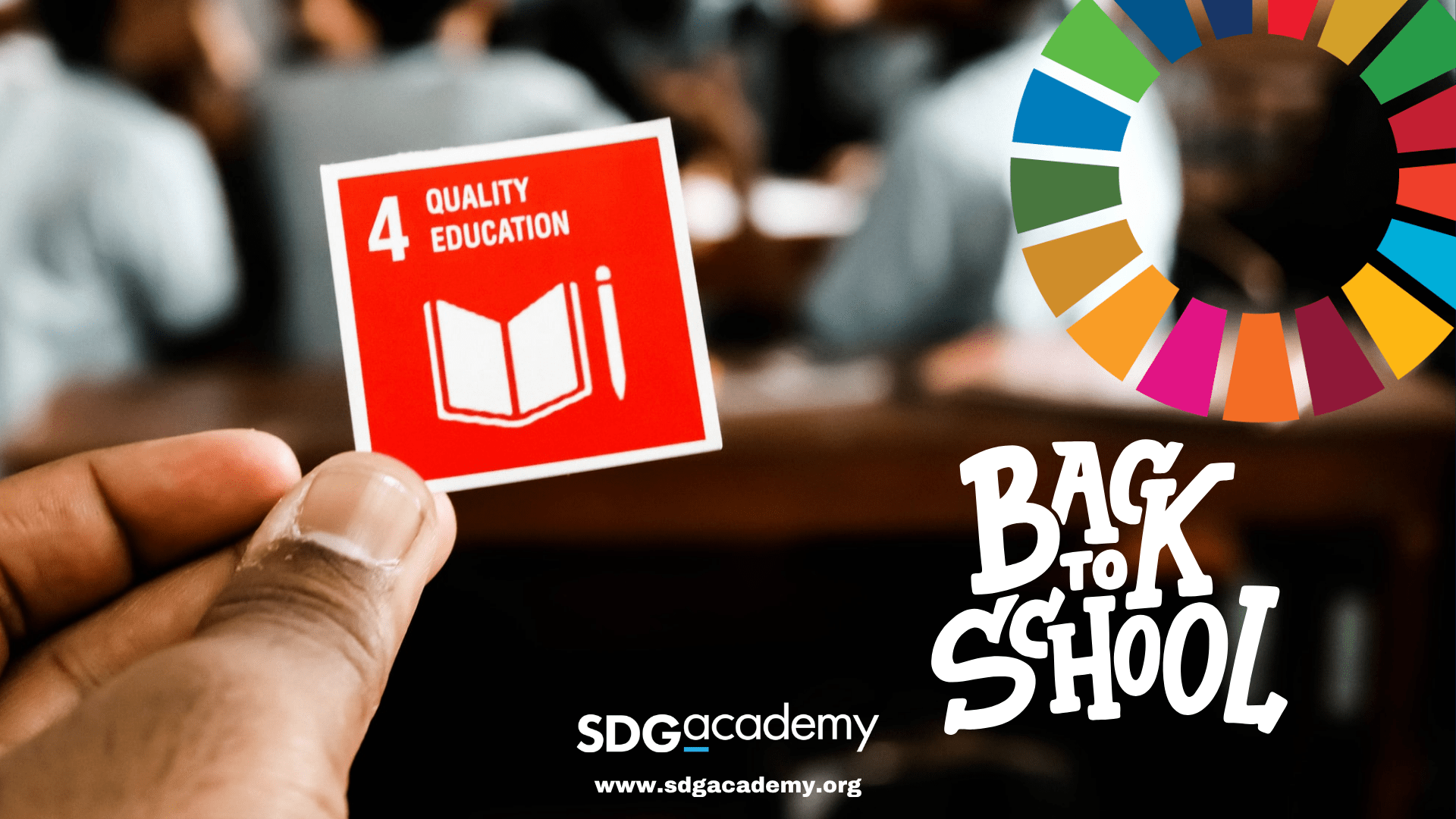
You might see the familiar colourful wheel of 17 goals: no poverty, quality education, climate action, sustainable cities, and think you understand what they are about. Then you start looking closer. Suddenly, questions arise. How does climate change connect to inequality? What does a sustainable city actually look like? Where do businesses fit into the picture? And, perhaps most importantly, what can any one of us do with all of this knowledge?
That is where learning comes in.
As the SDG Academy refreshes and relaunches courses across its catalogue on September 1st 2026, there is an opportunity to return to some of the questions at the heart of sustainable development, and to explore them from different perspectives. The Academy’s free courses are designed for learners across backgrounds and levels of experience, with courses taught by academics, practitioners and global experts.
So, rather than trying to tackle all 17 goals at once, here are five places to begin.
1. The Age of Sustainable Development
Before getting into individual goals, it helps to understand the bigger story.
The Age of Sustainable Development offers a broad introduction to sustainable development, looking at the relationship between people, the planet and the economy. Across 14 modules, the course explores issues including poverty, inequality, health, human rights, climate change, natural resources and the economics of sustainability. It is self-paced and free to access.
It is a good starting point if the SDGs are new to you, but it is just as useful if you have encountered them before and want a refresher.
Because sustainable development is rarely about any single issue in isolation. A decision about energy transitions can become a question about jobs. A conversation about cities can become a conversation about fair housing, accessible transport, and urban inequality. The more connections you see, the more the SDGs start to feel less like 17 stand alone goals and more like the interconnected challenges they really are.
2. Transforming Our World: Achieving the SDGs
If you want to dive into the SDGs right away, but you don’t have a lot of time, our mini-course Transforming Our World: Achieving the SDGs takes learners through all 17 SDGs and asks a seemingly rather simple question: what will it take to achieve them?
The six-module, self-paced course covers the basics of the goals, sustainable development plans, technology and innovation, governance, business and the role universities can play in advancing the agenda. This is particularly useful for anyone who keeps hearing about the SDGs in their workplace, studies, or community and wants a clearer understanding of what the SDGs really mean beyond the terminology.
3. Climate Action: Solutions for a Changing Planet
Climate action is one of those subjects that can feel enormous to tackle and very immediate. Climate Action: Solutions for a Changing Planet focuses on the question of how we transition from ambitious commitments to impactful action. Rather than treating climate change as an issue that exists on its own, the course explores climate change as a risk multiplier that can deepen challenges across sustainable development. The course is part of the Academy’s free course catalogue.
For learners particularly interested in climate, this can be a way to explore the practical side of the conversation: not only what is changing, but what kinds of intersectional solutions can help us respond.
More than half of the world’s population lives in urban areas, making cities a natural place to explore what sustainable development looks like in practice.
The SDG Academy’s Sustainable Cities free course looks at how governments, businesses and other actors can contribute to sustainable urban development. Its focus makes the SDGs feel much closer to everyday life, from the way urban environments are planned to the systems and decisions that shape how people live, work and move through them.
If you have ever wondered what an SDG looks like in action, this is one place to start looking.
Learning about sustainable development does not have to end with learning about sustainable development. For anyone thinking about the future of work, the course Your Future in Green Jobs from our friends at the Ban Ki-moon Foundation explores how to build a meaningful career path around the growing green economy. It is a useful reminder that the transition to a more sustainable world will require more than policies and targets. It will require people with the knowledge and skills to turn ideas into action, across sectors, industries and communities.
There is no single way into the SDGs. Perhaps that is the most useful thing to remember when beginning to learn about sustainable development. You do not have to know all 17 goals. You do not have to be a climate expert, policymaker or sustainability professional. You can begin with a question that interests you, a city, a career, climate change, inequality, technology, and follow the thought from there.
That is the thinking behind the SDG Academy’s course catalogue. Creating accessible ways for learners around the world to build their understanding of sustainable development and the 2030 Agenda.
With courses being relaunched, and refreshed on September 1st, 2026, now is a good time to take another look.
Choose a course and start learning!
Explore the SDG Academy courses: https://sdgacademy.org/courses/
Note to learners
Most of our courses on edX will close on 31 August at 23:59 UTC. Please complete the course before then. If you want to earn an edX Verified Certificate, be sure to upgrade to the Verified Track before the 22 August cut-off and pass the graded assessments by 31 August.
If you are on the Audit Track (free) and you aren’t able to complete the course by the deadline—don’t worry! We’ll be re-launching most of our courses on 1 September 2026. You can re-enroll in the course and pick up where you left off.but to push that shift in perspective.
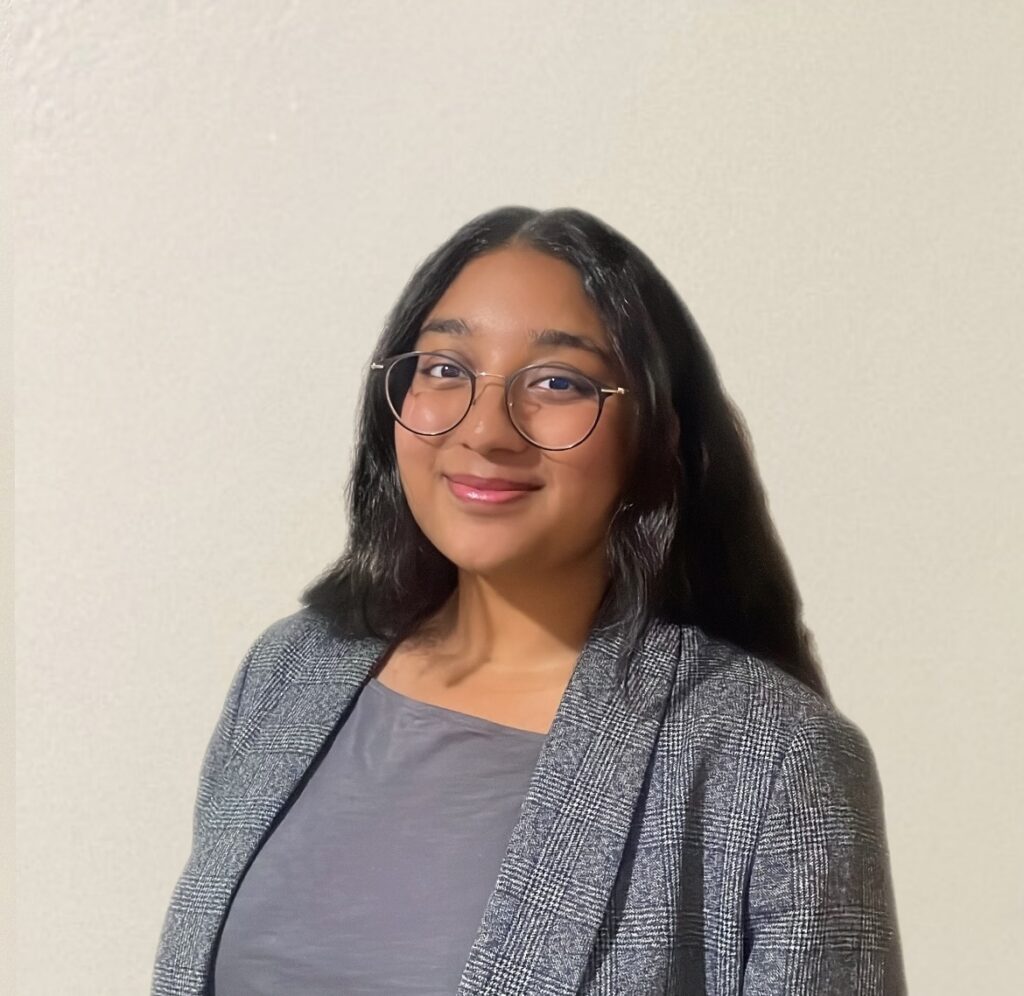
Tina Gupta is a Communications Volunteer with the Sustainable Development Solutions Network (SDSN), where she supports the SDG Academy in New York City. She holds an M.A. in Climate and Society from Columbia University and a B.S. in Environmental Sciences and Management from the University of California, Davis. She is interested in climate, sustainable development, and food systems, with a focus on making complex environmental issues more engaging and actionable.