

The 2026 Partnership Forum of the UN Economic and Social Council (ECOSOC) was held in late January 2026, both virtually and at the United Nations Headquarters in New York, under the theme, “Transformative, equitable, innovative, and coordinated actions for the 2030 Agenda and its SDGs for a sustainable future for all.” The Forum highlighted and discussed forward-looking actions by governments and other stakeholders through innovative partnerships that aim to mobilize commitments and actions to advance the 2030 Agenda and address new challenges.
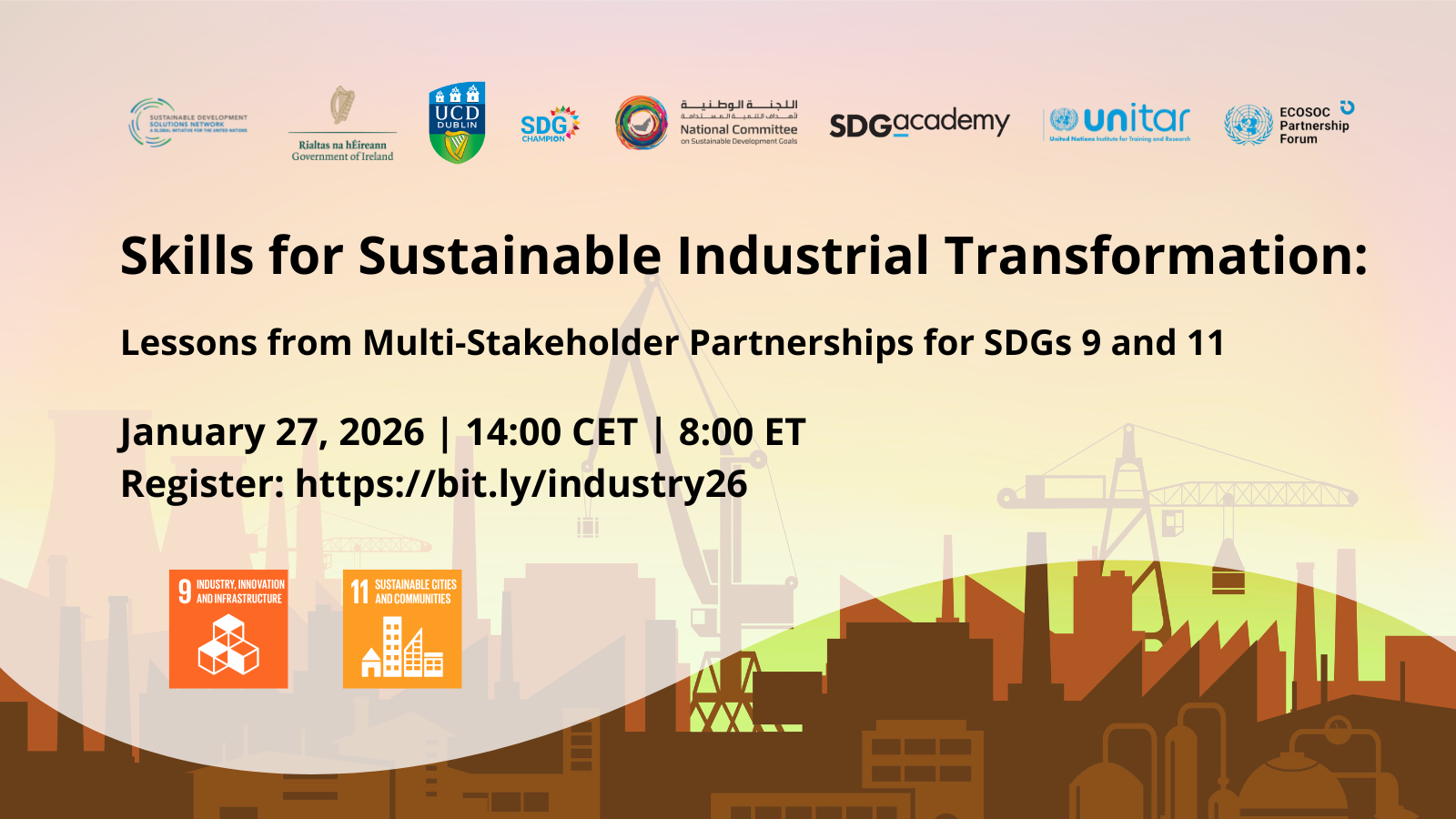
To contribute to the dialogues to unfold, the UN Sustainable Development Solutions Network (SDSN), University College Dublin, the Government of Ireland SDG Champion, along with UNITAR and the UAE Ministry of Cabinet Affairs: The General Secretariat of the UAE National Committee on SDGs, have been invited to facilitate an official virtual side event, “Skills for Sustainable Industrial Transformation: Lessons from Multi-Stakeholder Partnerships for SDGs 9 and 11.”
View the full summary with slides below, or click here.
| Date: January 27, 2026 | Time: 14h – 15h30 CET | 8h – 9h30 ET | Watch Here |
Agenda
| 5min | Welcome |
| 30min | Setting the Scene: National & Global Perspectives on Skills for the Green and Digital Transitions |
| 40min | Panel Discussion: Practitioner Insights The Strategic Role of CoVEs and VETs in shaping the new skills |
| 10min | Lead Question, Prof. Mwangi Peter Wanderi, United Nations Academic Impact (UNAI) SDG 9 Hub Chair – Industry, Innovation, and Infrastructure |
| 5min | Closing Reflections |
Key Takeaways – Skills for Sustainable Industrial Transformation: Lessons from Multi-Stakeholder Partnerships for SDGs 9 and 11
The ECOSOC Partnership Forum 2026, held in NYC and online in the last week of January 2026, offered a timely opportunity to reflect on how coordinated, equitable and innovative multistakeholder partnerships are advancing SDGs 9 (Industry, Innovation and Infrastructure) and 11 (Sustainable Cities and Communities).
To contribute to this important discussion, SDSN, together with University College Dublin (UCD), Government of Ireland SDG Champion, International Organization for Migration (IOM), UAE Ministry of Cabinet Affairs: The General Secretariat of the UAE National Committee on SDGs and United Nations Institute for Training and Research (UNITAR), joined forces to host an official online side event on “Skills for Sustainable Industrial Transformation: Lessons from Multi-Stakeholder Partnerships for SDGs 9 and 11”.
The event sought to put in evidence a critical gap affecting sustainable industrial transformation. While the green and digital transitions are advancing at a fast pace, the capacity of the education and training systems to respond is not. Therefore, transforming economies and meeting the ambitions of the 2030 Agenda requires not only technological innovation and investment, but also the skills ecosystem that enables workers, enterprises and institutions to adopt and scale sustainable solutions.Building on the dialogue from the 2025 EU Green Week, and the Second World Summit for Social Development, where multistakeholder cooperation for building sustainable pathways to future skills emerged as key drivers of sustainable development, this side-event took one step forward in underscoring the global need to strengthen lifelong learning transnational frameworks, such as by investing in high-quality Centres of Vocational Excellence (CoVEs).
National & Global Perspectives on Skills for the Green and Digital Transitions
The session opened by situating skills development at the heart of sustainable industrial transformation, bringing together national and global perspectives on how countries can and are responding to the green and digital transitions.
Speaking from the UAE’s national experience, Shatha AlHashmi (UAE Ministry of Cabinet Affairs) highlighted the importance of embedding the SDGs at the highest level of government to ensure coherence across policy, data and implementation (see presentation slides below). She highlighted how the cabinet-level National Committee on SDGs, supported by the SDGs National Data Action Plan, works with partners such as SDSN and the SDG Academy to deliver capacity-building programmes aligned with global methodologies. Over the past three years, 90+ activities engaged 4,000 participants, including the SDG Leadership Programme, delivered with the SDG Academy, which brought together senior leaders from 14 countries to translate global commitments into national action.
From a global perspective, Ramon Iriarte (UNESCO) underscored persistent challenges in aligning education and labour markets, particularly in low- and middle-income countries (see slides below). Drawing on recent UNESCO studies, Iriarte highlighted important gaps affecting TVET learners, like lack of foundational skills, financial barriers to complete their studies and gender disparities in access to TVET. In parallel, TVET teachers also lack training and motivation to support students, while TVET providers face limited accountability. Therefore, advancing industrial transformation worldwide requires urgently strengthening TVET systems, improving incentives for teachers, and expanding partnerships with industry and governments to improve access, equity and employment outcomes.
Following, Patrick Paul Walsh (SDSN, SDG Academy and UCD) expanded the discussion to the changing nature of skills demand, emphasizing that sustainable industrial transformation requires more than technical expertise. In the context of AI, climate change and supply-chain disruption, Walsh stressed the growing importance of soft and leadership skills, microcredentials, and transnational approaches to upskilling and reskilling. Initiatives like the UAE SDG Leaderhsip Programme in partnership with the SDG Academy and the Capabilites 4 the Future Hub were highlighted as platforms to co-design training, connect education with industry, and equip learners and institutions to navigate complex, system-level transformations. More information is available on the slides below.
The Strategic Role of CoVEs and VETs in shaping the new skills
The previous panel highlighted the importance of strong national coordination and transnational collaboration in strengthening the skills ecosystem, underscoring the role of platforms for integrated capacity-building and industry-aligned skills development. It also emphasized the need to modernize and reinforce TVET to address persistent skills gaps.
Building on these insights, Maria Nakova (BuildSkills Academy, EDIH in Construction, Cleantech Bulgaria) opened the following panel discussion focusing on the strategic role of Centres of Vocational Excellence (CoVEs) as transnational partnerships hubs that enhance collaboration between European VET providers and partners beyond Europe. Nakova highlighted CoVEs as transnational collaborative networks that bring together VET providers, employers, research institutions and public authorities to co-create high-quality, flexible and labor-market relevant training. Positioned within the EU’s Union of Skills and the European Strategy for VET, CoVEs support skills portability, lifelong learning, and alignment with green and digital transitions, while contributing to innovation, social inclusion and stronger education-industry partnerships at both national, cross-border and global levels. See more details in the presentation below.
CoVEs, therefore, have the potential to close the skills gap and to develop transnational and global partnerships that can advance sustainable industrial transformation. In this sense, two groundbreaking CoVE initiatives were highlighted as key examples of impactful and important for international partnerships: the BuildSkills Academy and Catalyst.
BuildSkills Academy
The BuildSkills Academy (BSA) is an initiative that is supporting VET training providers in aligning their offerings with the construction labor market needs. As one of the most resource-intensive sectors in Europe, the construction sector is key for meeting the green and digital transformation in Europe. For that, the BSA was presented as a concrete example of how CoVEs can strengthen the sector-specific skills ecosystem at scale.
Through the BuildEnrichedSkills Methodology, available at its own digital platform, and the ISO-based certification framework, BSA supports VET providers in identifying green and digital skills gaps, enriching training programs, and validating new transitional skills and competencies for construction professionals. With its pilot courses on different EQF levels, innovative self-assessment tools, and a growing European network of educators and industry partners and high-level organizations, the initiative is helping create a resilient, future-ready workforce for SDGs 9 and 11.
More information is available on the slides below.
CATALYST
The CATALYST project was presented as a concrete example of how CoVEs can support sustainable transformation by addressing skills needs across systems, organisations and individuals. Built on the Collaborative-Innovative (CO-IN©) Model, CATALYST applies a holistic university–industry collaboration approach to address complex, interconnected sustainability challenges by bringing together education providers, businesses and policymakers. Through its Centre of Vocational Excellence for Leading Sustainable Systems and Business Transformation, the initiative supports personal and organisational development, helps SMEs integrate sustainability into their business models, and contributes to policy dialogue.
Through the CATALYST Platform, the project offers 70 free online courses, specialisation programmes and resources across three complementary levels: Leading Sustainable Systems (systemic), Creating Sustainable Brands (organisational) and Embracing Sustainable Growth (personal and interpersonal). This learning offer is complemented by Business Pilot Projects that connect companies, students and educators in real-world applications, as well as by the CATALYST Network. Together, these elements illustrate how CoVEs can function as multi-level skills ecosystems, linking lifelong learning with innovation and sustainable business transformation.
More information is available on the slides below.
This webinar sought to showcase from a policy and practitioner perspective that sustainable industrial transformation will depend on stronger coordination between skills, industry and policy. It is essential to leverage partnership-driven TVET systems and Centres of Vocational Excellence (CoVEs) to scale innovation, support lifelong learning, and ensure that the green and digital transitions deliver inclusive and resilient outcomes for people and economies.
Speakers
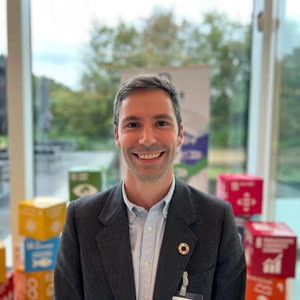
Andrija Erac, Head of Networks, Networks Program, UN Sustainable Development Solutions Network (SDSN)
Click Here for more information
Andrija Erac is Head of the Networks Secretariat at SDSN. He leads a globally distributed team based in Paris, New York, and Kuala Lumpur, providing oversight and coordination for nearly 60 national and regional networks comprising over 2,000 member institutions. In this role, he supports the team of network managers in their engagement with universities, youth, and a wide range of partners to advance the SDGs, the Paris Agreement, and national sustainability priorities. He also contributes to cross-cutting thematic projects in areas such as decarbonization, climate adaptation, and health.
Beyond team leadership, Andrija contributes to major multi-stakeholder programs funded by international donors and philanthropic foundations, supporting country-level sustainability planning, resilience initiatives, and organizational transformation efforts.
Prior to joining the SDSN, Andrija worked at the International Chamber of Commerce (ICC), managing complex, high-value commercial negotiations and disputes. His experience at the ICC spans over 30 countries and involves multinational companies, state-owned enterprises, government entities, and international organizations across the construction, energy, transport, and infrastructure sectors.
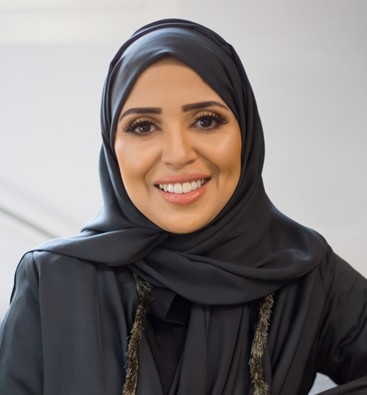
Shatha Alhashmi, UAE Ministry of Cabinet Affairs; The General Secretariat of the UAE National Committee on SDGs
Click Here for more information
Shatha Alhashmi is a senior government executive and advisor with over 20 years of experience in national strategy, policy execution, and large-scale public sector transformation. She has led complex, multi-stakeholder initiatives and public-private partnerships at the national level, delivering long-term economic and social impact.
She currently serves as an Advisor at the UAE Prime Minister’s Office, where she supports national leadership on aligning the UN Sustainable Development Goals with the UAE’s development priorities. Previously, she played a key role in the design and delivery of the UAE’s 50-year national development plan and led government-wide innovation efforts, including the establishment of a national innovation center and the implementation of cross-sector innovation strategies.
Shatha has served on boards and advisory councils, is a bilingual public speaker, and regularly contributes to policy and leadership publications. She holds degrees from Zayed University, Harvard University, and Oklahoma State University, and is a Certified Executive Coach from Henley Business School.
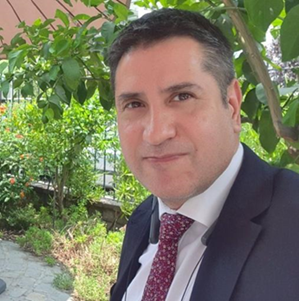
Ramon Iriarte,Senior Education Program Specialist, Section for Youth, Literacy, and Skills Development, UNESCO
Click Here for more information
Dr. Ramon Iriarte is a Senior Education Program Specialist in the Section for Youth, Literacy, and Skills Development at UNESCO Headquarters in Paris. He previously served as a regional education program specialist at UNESCO’s Regional Bureau for Education in Latin America and the Caribbean (OREALC) in Santiago, Chile. In his current role, he oversees the management, implementation, monitoring, and reporting of UNESCO’s global program on Technical and Vocational Education and Training (TVET).
With extensive experience in Education, Science, and Technology, Dr. Iriarte has worked as a TVET teacher, university lecturer, and researcher while holding various senior leadership roles in both public and private institutions. As part of UNESCO, he has supported member states in developing, implementing, and evaluating national policies on Science, Technology, and Innovation (STI), STEM education, and ICT in education.Dr. Iriarte holds a Bachelor’s degree in Education Science, and a Master’s Degree in Technology Education from Aichi University of Education (Japan). He earned his Ph.D. in Computer Engineering from Kagoshima University (Japan) and has pursued additional graduate studies at institutions including Dr. Frank Niethammer Institute (Germany), Nagoya University (Japan), the Latin American Institute for Educational Communication (Mexico), and Queensland University of Technology (Australia).
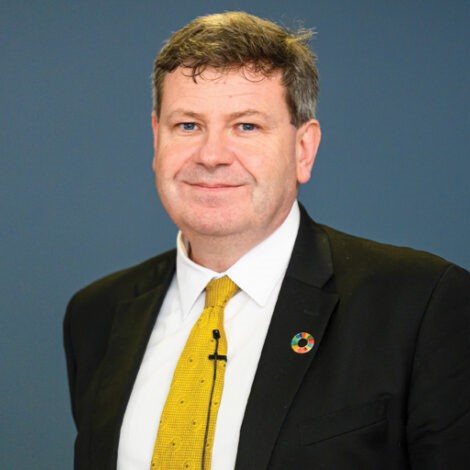
Patrick Paul Walsh, Vice President of Education & Director of the SDG Academy, UN Sustainable Development Solutions Network (SDSN)
Click Here for more information
Dr. Patrick Paul Walsh received a Ph.D. in Economics from the London School of Economics in 1994. Dr. Walsh is a Government of Ireland, Marie Curie (Brussels), IZA (Bonn), RSA (London), EIIR (Brussels) and REPOA (Tanzania) fellow. He is currently on secondment to UN Sustainable Development Solutions Network (SDSN) as Vice President of Education and Director of the SDG Academy.
Dr. Walsh still remains a Full Professor of International Development Studies and is Director of the UCD M.Sc. in Sustainable Development in partnership with the SDG Academy. He was elected president of the Statistical and Social Inquiry Society of Ireland (SSISI) in 2022. SSISI is an all-island learned society established in 1847. The Society is a forum for evidence based discussions on public policy between government departments, social partners and academia. Proceedings are published in an open science diamond Journal archived in TCD TARA and listed on the Web of Science.

Maria Nakova, Project Leader, BuildSkills Academy; Head of digital innovation hub in construction sector; Manager of Strategic Development, Cleantech Bulgaria
Click Here for more information
Ms. Maria Nakova stands as a driving force in advancing vocational excellence, digital innovation, and sustainable transformation across Europe’s construction sector. With over 20 years of leadership at the crossroads of innovation, sustainability, and skills development, she has dedicated her career of project management in empowering professionals and businesses to meet the evolving demands of the green and digital economy.
As Project Leader of BuildSkills Academy and Head of the European Digital Innovation Hub in the Construction Sector (EDIHCS), Maria spearheads initiatives that elevate workforce capabilities, ensuring that skills development is aligned with industry needs and future-proof strategies. Through her role of Manager strategic development at Cleantech Bulgaria, she actively supports SMEs and public sector in mastering their digital and green transitions, embedding excellence into vocational training and operational practices.
A recognized expert in fostering circular economy solutions, Maria has led transformative capacity-building programs, driven innovation transfer, and shaped policy frameworks that accelerate sustainable growth. Her management of large-scale EU-funded projects has delivered actionable policy recommendations, positioning skills and vocational education as key enablers of the twin transition—digital and green—across diverse ecosystems.In her upcoming presentation, Maria will share pioneering insights from BuildSkills Academy, showcasing how Centres of Vocational Excellence (CoVEs) and European Digital Innovation Hubs (EDIHs) are redefining the construction sector. She will illustrate how strategic skill-building initiatives are not only bridging the gap between current workforce capabilities and emerging green transition goals but also setting new standards for vocational excellence across Europe.

Antonia Christou, Cyprus University of Technology & BuildSkills Academy partner
Click Here for more information
Antonia Christou is a Research Associate and Project Manager at the Cyprus University of Technology, where she is involved in projects on sustainable entrepreneurship and the integration of digital and green skills in the construction sector. Prior to joining CUT, she worked in the aerospace industry in France, Germany, and Singapore, serving as an Innovation Manager and supporting entrepreneurs and startups through the development of an Industry 4.0 accelerator programme. Her research focuses on integrating sustainability within entrepreneurship education in higher education, as well as examining the role of sustainable entrepreneurship education in fostering future eco-preneurs. She holds a Bachelor’s degree in Foreign Languages Applied to Economics and a Master’s degree in Business Development from Université Toulouse II in France.

Angelina Taneva-Veshoska, Project Coordinator, CATALYST; Institute for Research in Environment, Civil Engineering and Energy
Click Here for more information
Prof. Dr. Angelina Taneva-Veshoska is Director at the Institute for
Research in Environment, Civil Engineering and Energy. Expertise in
education: more than 17 years of experience in education, as professor,
national VET expert, trainer of trainers, developing curricula (in HE, VET
and adult education), managing and coordinating educational projects,
conducting surveys on labour market needs, developing innovative
teaching methods. Expertise in business consultancy: working with
industry, creating and implementing methodologies, measures and tools for supporting sustainable business growth, better management of knowledge and intellectual capital, establishing R&D Centres and Training Centres . This effort was rewarded when she and her team received the 1st prize for their case “The Knowledge Management and Intellectual Capital Excellence Award “. Angelina and her team are coordinating Erasmus+ CoVE project: CATALYST European VET Excellence Centre for Leading Sustainable Systems and Business Transformation.

Ana Tomikj, Researcher at the Institute for Research in Environment, Civil Engineering and Energy – IECE; CATALYST project partner
Click Here for more information
Ana Tomikj is a researcher at the Institute for Research in Environment, Civil Engineering and Energy – IECE. Her research interest is in: Economics, sustainability, intellectual capital, and circular economy. Her educational background is in economics and finance, and she has completed a specialisation programme in sustainable leadership. She has 8 years of international work experience in education, skills and consulting, working on Erasmus+, Horizon 2020 and IPA II-funded projects, tackling issues like sustainability, eco-skills, innovation, business-academia collaboration etc. She was project coordinator of the Visegrad funded project TREASURE and is part of the CATALYST Centre of Vocational Excellence.
Enda Murphy, Professor School of Architecture, Planning and Environmental Policy, University College Dublin
Click Here for more information
Dr. Enda Murphy is Professor of Planning at the School of Architecture, Planning and Environmental Policy where he has been programme Director for the Masters in Regional and Urban Planning (MRUP) since 2019. He is also a UCD academic lead for the Sustainability and Climate Committee of Una Europa. Between 2015-2018, he held the position of Vice-Principal for Graduate Studies and Director of the Graduate School for the College of Social Sciences and Law (CoSSL). Beyond the University, he is an active Editorial Board Member of PLOS ONE, one of the world’s leading science journals; he is also a current member of the UN SDSN SDG Academy High Level Advisory Council (HLAC) whose mission focuses on the international development of Education for Sustainable Development.
His research interests are broad in scope but centre on the areas of urban transportation and spatial planning, environmental noise, neoliberalism/neoliberalisation, and the UN Sustainable Development Goals (SDGs). He has published widely in the international literature and is author/co-author of more than 100 academic journal papers, book chapters, conference papers and reports and is co-author of three books. Enda has held visiting professor positions at the University of Economics, Ho Chi Minh City, University of Hartford, USA, Cape Peninsula University of Technology, Cape Town, CRENoS, University of Cagliari, and at KTH Royal Institute of Technology, Stockholm. He is a former Fulbright Scholar.
Event Summary: