
By Alana Lewis
The International Day of Happiness feels especially important this year. Many of us have been living in a constant stream of crises, news headlines, polarization, and uncertainty. For me personally, for the past few years, I’ve felt myself becoming more pessimistic and anxious, with many of my friends and peers feeling the same. At some points I found myself asking: why keep fighting for change when everything seems like it’s a lost cause?
That spiral changed when I came across an article by Max Roser of Our World in Data, “The world is awful. The world is much better. The world can be much better.” It examines progress through the case study of declining child mortality rates, both from history and where we stand today. It also notes how the news rarely highlights progress, often focusing on how awful the world is, and examines how encouraging change and making the world a better place involves seeing it for ourselves — in the article’s case, through the raw numbers. In our courses, we’ve discussed these exact strides in good health and wellbeing, and how they intricately link to the other SDGs and factor into building a happy life and happy society. The article captured three crucial truths at once: the world still suffers from pain, the world is far better than it used to be, and the world can continue to improve. Holding these truths together gave me clarity.
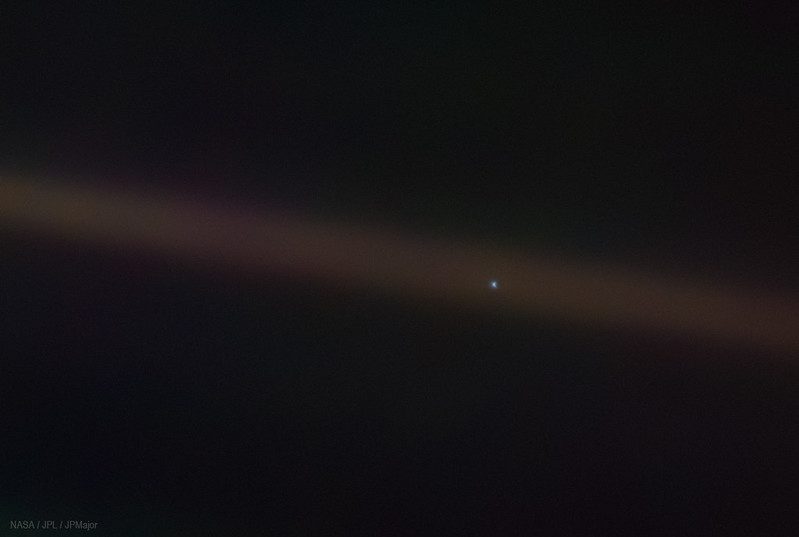
Around this same time, I revisited the late astronomer Carl Sagan’s Pale Blue Dot. His famous reflection on our tiny planet — home to our collective hopes, fears, histories, loved ones, containing all of our joys and follies — framed what I had been feeling. When you zoom out from the small dot we call our home, the only one we have, you see both the cruelty and the compassion, the destruction and the progress. Acknowledging the bad is necessary, but noticing the good better equips us to face it.
Those ideas pushed me to start a project: a blog dedicated to uplifting good news, Pale Blue Home. Not to ignore real problems, but to create balance by highlighting the people and communities creating solutions to make this dot better for all of us. Doomscrolling and misbalance kept me in an echo chamber, and this project became a way to step out of it.
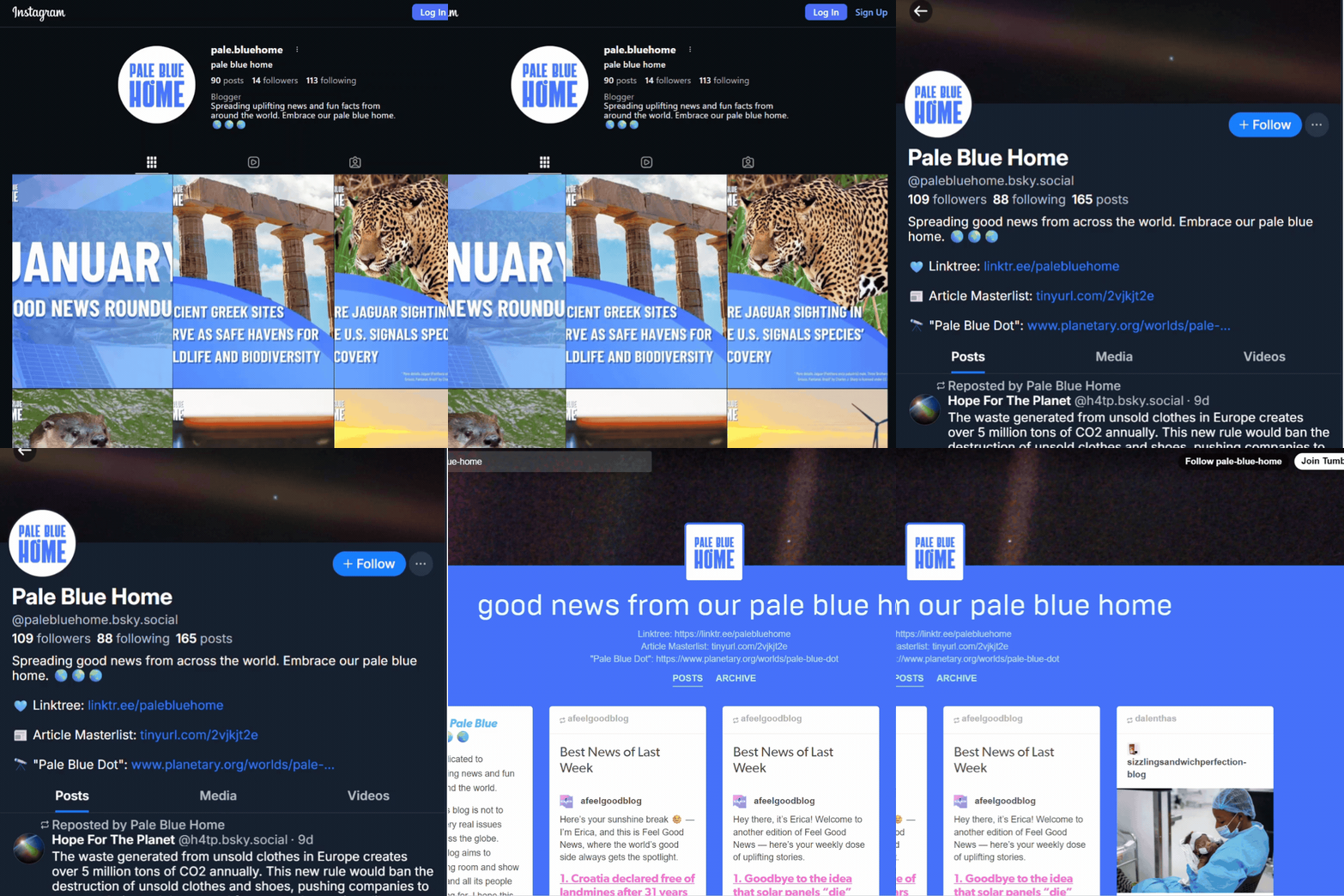
A glimpse into the latest from Pale Blue Home, my uplifting news blog.
As I began collecting stories, I realized how much progress was happening quietly in every corner of the world. Stories of happiness, hope, and progress are not rare, just drowned out. That quiet gap, though barely noticeable in our rapid-fire ecosystem of our news cycles and online feeds, is more than a blip, and still takes its toll. From access to education to environmental restoration, these positive news stories showed me what it means to stay informed in a healthier way.
Uplifting stories connect deeply to the International Day of Happiness and our focus. Happiness is shaped by social, environmental, and economic conditions, the same conditions that sustainable development aims to improve. Wellbeing also depends on having a sense of hope. The stories we consume shape how hopeful we feel about the future, and how capable we believe we are in shaping it. When all our feeds and news cycles are only filled with crises, it’s easy to feel powerless, like global happiness isn’t achievable. But when we see examples of solutions and improvement, big or small, it becomes easier to imagine a way forward and our own role in creating change. Sharing stories of progress isn’t blind optimism but instead strengthens global citizenship by showing that active participation works. Having agency, engaging in action, and embracing collective wellbeing make smaller, local changes count up towards larger, global shifts. There is value and having and sharing hope and progress — we cannot achieve the SDGs without it. Sustainable development is only possible if there is enough hope for a better world, and enough hope to be an agent in acting on making that happen. Knowing there’s hope out there provides a reason to come together to build a better world under a common dream.
Hope isn’t evenly distributed — it can sometimes be a privilege to be able to have it in the first place. But hope, when grounded in reality, can create a reality where privileges become basic human rights for all, where we see the SDGs like education access and technology being accessible to all as not aspirational but instead the norm. It has pushed me to stay engaged, to give back, and to believe that even small actions matter.
This blog has helped me both zoom in and zoom out. Zooming in has shone a magnifying glass for me on the progress being made right now, in turn informing myself and others about it. Zooming out is a reminder that empathy, action, and connection are all essential to our collective future on our pale blue dot. Being hopeful teaches us to deal more kindly with others, to cherish the world we live on, and to build the empathy that is often being forgotten. As puny specks on this pale blue dot, whatever good each and everyone of us can do is enough to tilt the scale even a little, so that everyone can have an equal chance at happiness and hope. When you engage with hope, you begin to see great things.
Max Roser (2022) – “The world is awful. The world is much better. The world can be much better.” Published online at OurWorldinData.org. Retrieved from: ‘https://archive.ourworldindata.org/20260105-154138/much-better-awful-can-be-better.html’ [Online Resource] (archived on January 5, 2026).
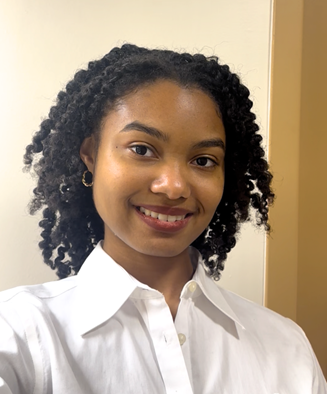
Alana Lewis is an English and Digital Technologies and Emerging Media student at Fordham University. She is currently a Communications Intern at SDG Academy, helping to support communications efforts after having worked previously in marketing, digital media, and communications spaces. She has served as a copy editor for her university’s student newspaper The Fordham Ram, and is also part of the Fordham English Law Society. She also runs an uplifting news blog and social media initiative Pale Blue Home, where she shares positive news and developments happening around the world. In her free time, Alana is a reader, writer, and baker, and can always be found crafting something.