
Length Length

8 modules, accessible at any time

Effort Effort

4-6 hours per module

Price Price

FREE

Languages Languages

English

Video Transcripts Video Transcripts

English

Prerequisites Prerequisites

None

Requirements Requirements

An internet connection to access course materials

Understand

The Science

Understand
Analyze

The Human Impact

Analyze

Overview

This course is self-paced – you can enroll and complete the course materials at any time.

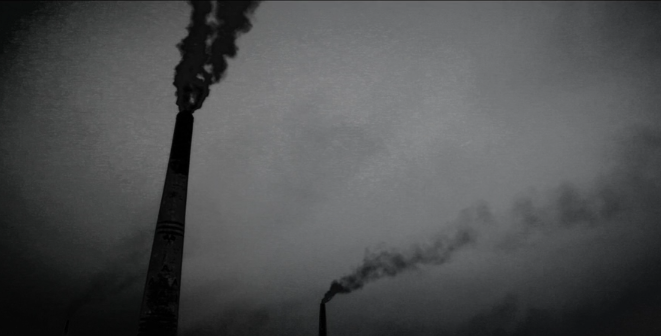
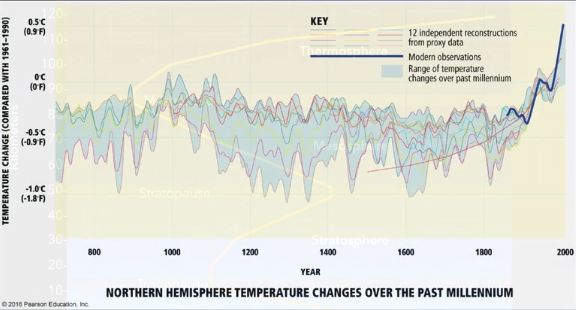
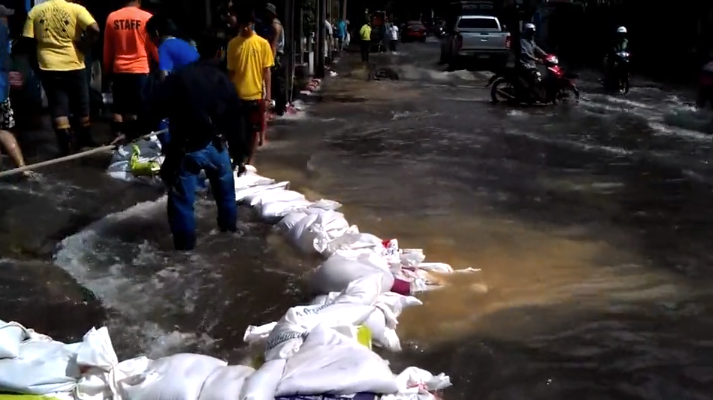
Climate change is arguably the greatest challenge of our time. Human activity has already warmed the planet by 1° Celsius relative to pre-industrial times, and we are feeling the effects through record heat waves, droughts, wildfires and flooding. If we continue to burn fossil fuels at the current rate, the planet will reach two degrees of warming by 2050 — the threshold that many scientists have identified as a dangerous tipping point. What is the science behind these projections?

Join climate science expert Michael Mann to learn about the basic scientific principles behind climate change and global warming. We need to understand the science in order to solve the broader environmental, societal and economic changes that climate change is bringing.

By the end of this course, you will:

  • Develop a deep scientific understanding of HOW the climate system has been changing;
  • Articulate WHY the climate system is changing;
  • Understand the nature of these changes;
  • Develop a systems thinking approach to analyzing the impacts of climate change on both natural and human systems.

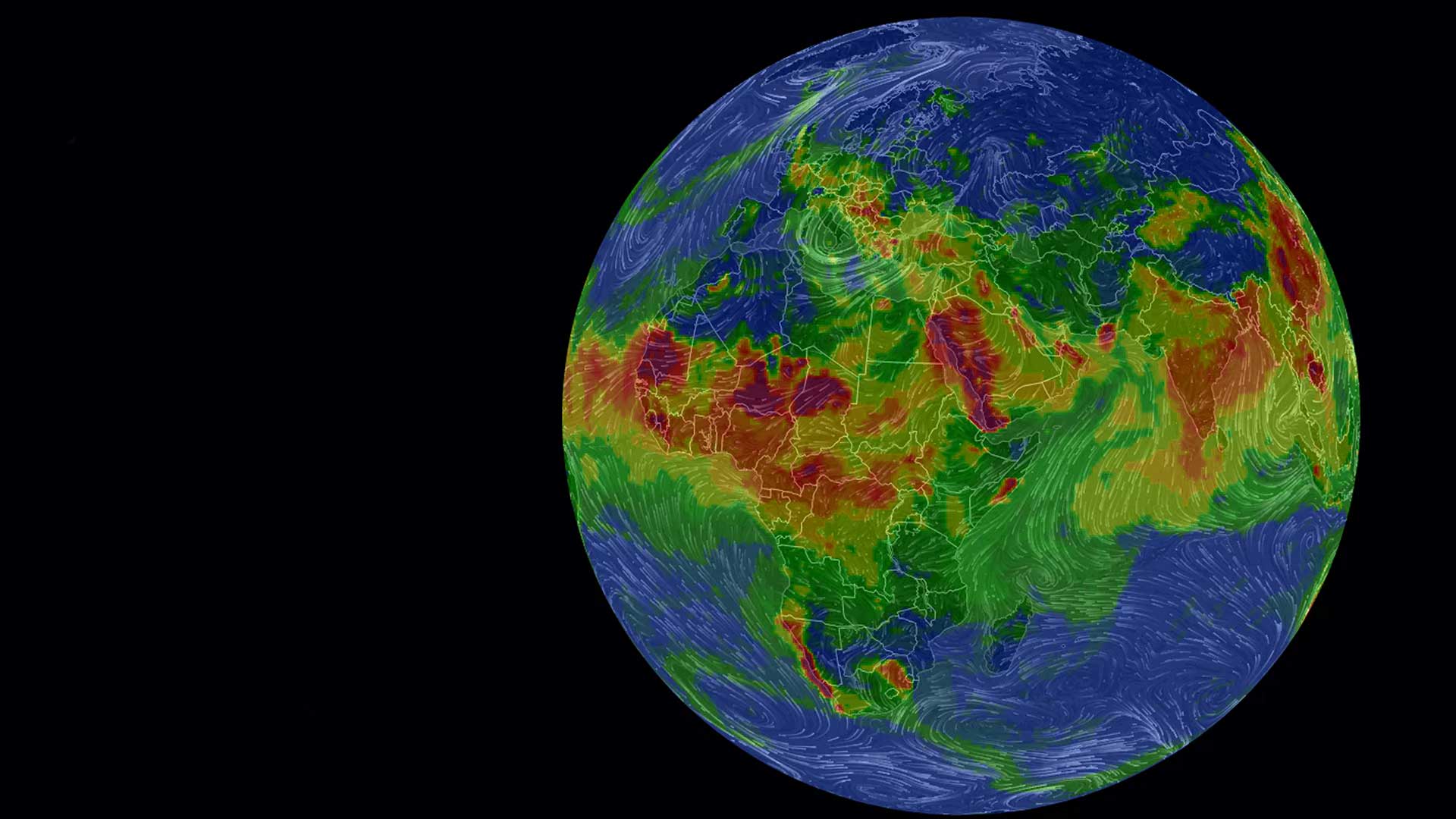
The course covers the basic principles of atmospheric science and methods of climate data collection and interpretation. It introduces basic climate modeling and explores the impact of various greenhouse gas emissions scenarios. Finally, it outlines the impacts of climate change on social, economic, cultural, urban and human systems.
structure

  • Pre-recorded lectures
  • Readings
  • Quizzes
  • Discussion forum

Lead Faculty

  • Faculty Image

    Michael Mann

    Penn State University

This course is for

Policy professionals who want to understand the science behind anthropogenic climate change

Advanced undergraduates and graduate students interested in climate modeling

Private-sector and the general public, interested in learning more about the science behind climate change and developing a language to talk about it

Questions?

Course logistics and requirements

This course is self-paced. All course components are available now and can be completed at any time that is convenient for the students. Please note that this course is not facilitated by a course team. We encourage students to engage with one another via the discussion forum. Any specific questions can be sent to the SDG Academy team at courses@sdgacademy.org.

Certificates

Learners who successfully complete the course will be eligible to purchase a Verified Certificate signed by the course instructor.

syllabus

Module 1: Climate and Climate Change

1.0

Introduction

1.1

What is climate change?

1.2

Why to care about climate change

1.3

Climate system construction

1.4

Energy balances

1.5

Global circulation systems

1.6

Feedback mechanisms and the carbon cycle

Module 2: Observing and Measuring Anthropogenic Climate Change

2.1

Atmospheric greenhouse gas

2.2

Modern surface temperature trends

2.3

Oceans

2.4

Extreme weather

2.5

Sea ice, glaciers & global sea level

2.6

Paleoclimate evidence

Module 3: Modeling the Climate System: Basics

3.1

Climate modeling

3.2

Zero-dimensional energy model

3.3

0d-EBM demonstration

3.4

Climate sensitivity

Module 4: Modeling the Climate System: Advanced

4.1

1-dimensional energy balance models

4.2

Case Study

4.3

General circulation

4.4

Validating climate

4.5

Detecting climate change

4.6

Interpreting climate sensitivity

Module 5: Carbon Emission Scenarios

5.1

Emissions Scenarios

5.2

Stabilizing CO2

Module 6: Applying Climate Models: Projected Changes in the Climate System

6.1

Surface temperature projections

6.2

Changes in global precipitation and drought

6.3

Atmospheric circulation changes

6.4

Melting cryosphere

6.5

Sea level projections

6.6

Tropical cyclone and hurricane projections

6.7

Extreme weather projections

Module 7: Climate Change Impacts

7.1

Carbon cycle feedbacks

7.2

Coastal impacts

7.3

Ecosystems and biodiversity

7.4

Shifting food resources

7.5

Human health impacts

7.6

Security concerns

7.7

Tipping points

Module 8: Our Path Forward

8.1

Geoengineering: A scientist’s perspective (1)

8.2

Geoengineering: A scientist’s perspective (2)

8.3

Emissions reductions

8.4

Conclusion