
Protected: Teaching and Learning about Violent Pasts
Length Length

8 modules, accessible at any time

Effort Effort

1 - 2 hours per week

Price Price

FREE

Languages Languages

English

Video Transcripts Video Transcripts

English

Prerequisites Prerequisites

None

Requirements Requirements

An internet connection to access course materials

ADVOCATE
Why teaching about violent pasts is essential for fostering

empathy, justice, and global understanding

ADVOCATE
IMPLEMENT
Inquiry-based learning to deepen students'

critical thinking and engagement with history

IMPLEMENT
INTEGRATE
Multiple perspectives to create

more balanced and inclusive historical narratives

INTEGRATE
EXPLORE
How addressing sensitive histories in the classroom contributes to

peacebuilding and responsible citizenship

EXPLORE

Overview

This course is self-paced – you can enroll and complete the course materials at any time.

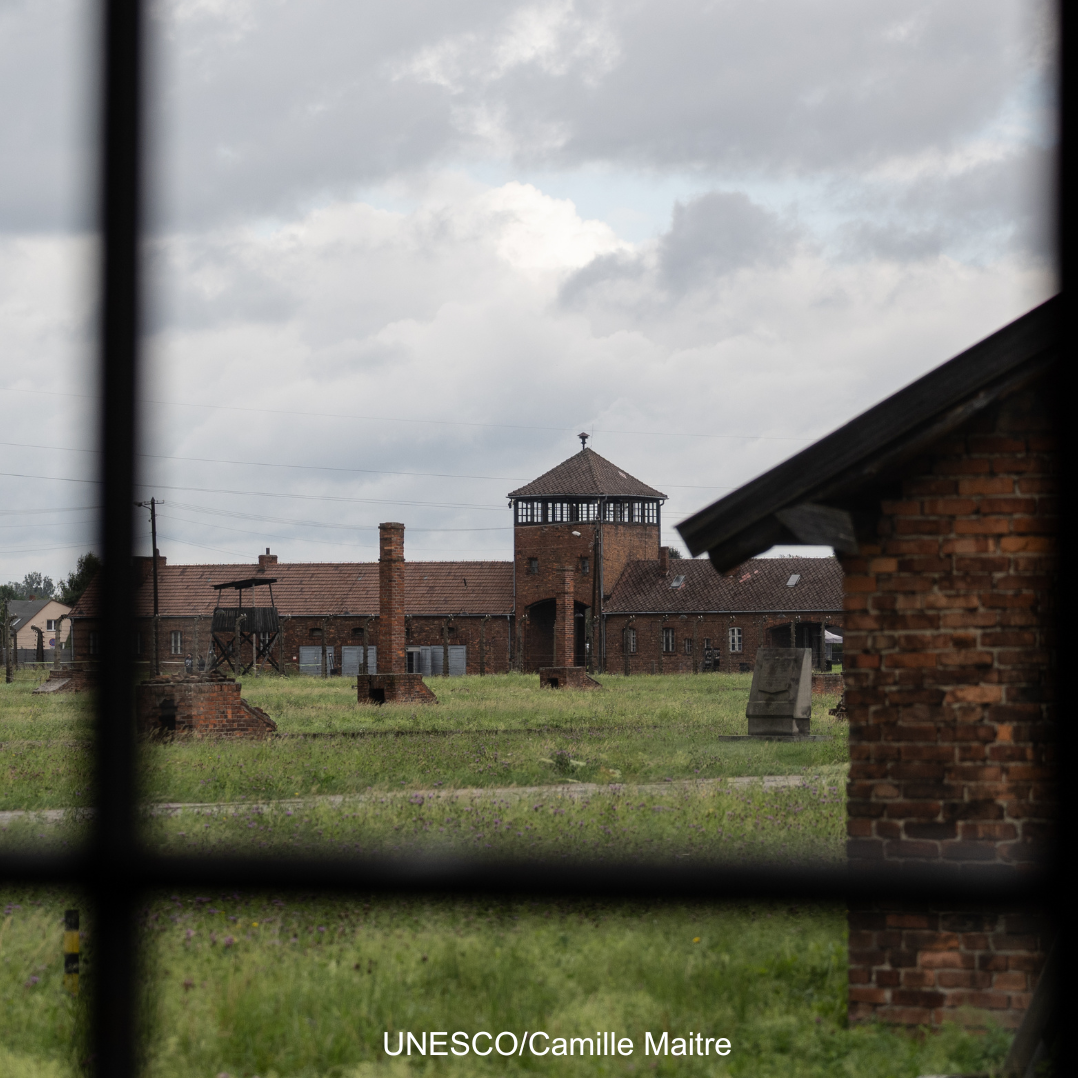
UNESCO’s Teaching and Learning about Histories of Violence is an innovative online course designed to equip educators with the knowledge, skills, and confidence to address sensitive and violent histories in the classroom. Covering historical topics such as genocide, colonialism, enslavement, and systemic discrimination, the course emphasizes how confronting “difficult” pasts can foster empathy, critical thinking, and a commitment to human rights and peacebuilding.

With case studies and expert practitioners from around the world, this course is practical and grounded in real classroom application, offering models, strategies, and tools for teaching about violent pasts. It is designed for a wide audience of educators, teachers, as well as NGOs and community practitioners. The course supports anyone interested in fostering empathy, critical thinking, and peace through history education, accessible to all, anywhere, anytime.

The designations employed and the presentation of material throughout this online course do not imply the expression of any opinion whatsoever on the part of organizations preparing this online course concerning the legal status of any country, territory, city or area or of its authorities, or concerning the delimitation of its frontiers or boundaries.

The ideas and opinions expressed in this online course are those of the presenters; they are not necessarily those of organizations preparing this online course and do not commit the organizations.

structure

  • Pre-recorded lectures
  • Readings
  • Activities
  • Quizzes 

Lead Faculty

  • Faculty Image

    Michelle Bellino

  • Faculty Image

    Julia Paulson

  • Faculty Image

    Lufuno Lerato Monguni

  • Faculty Image

    Carlos Vargas

  • Faculty Image

    Freddy Mutanguha

  • Faculty Image

    Nisay Hang

  • Faculty Image

    Paul Salmons

  • Faculty Image

    Carlos Arturo Charria Hernández

  • Faculty Image

    Francis Nono

  • Faculty Image

    Subarno Chattarji

  • Faculty Image

    Glaucia Cristine Silva Burckler

This course is for

Educators and teachers seeking practical strategies to teach sensitive histories using inquiry-based, reflective, and multiperspective approaches.

Students and future educators eager to build the knowledge, empathy, and skills needed to become changemakers for peace, equity, and global citizenship.

NGOs and community-based organizations working to advance inclusive education, reconciliation, and social cohesion in their local and global contexts.

Policy-makers and government officials committed to integrating education about violent pasts into curricula that promote peace, justice, and human rights.

Questions?

Course logistics and requirements

This course is self-paced – you can enroll immediately and complete the course materials at any time. We encourage students to engage with one another via the discussion forum. Any specific questions can be sent to the SDG Academy team at courses@sdgacademy.org.

Certificates

Please note that this course is being offered for free and audit-only, only a UNESCO Certificate will be granted. The course is not credit-bearing on its own. However, some students have been able to negotiate for academic credit with their universities. Speak with your institution to see if this is an option for you.

syllabus

Module 1: Introduction to Teaching and Learning about Histories of Violence

Understanding “Violent Pasts” and Their Definitions

Module 2: Understanding Your Context and Yourself

Exploring Personal and Professional Connections to Violent Pasts

Module 3: Understanding the Past – Historical Knowledge and Thinking

How Historical Narratives Are Constructed

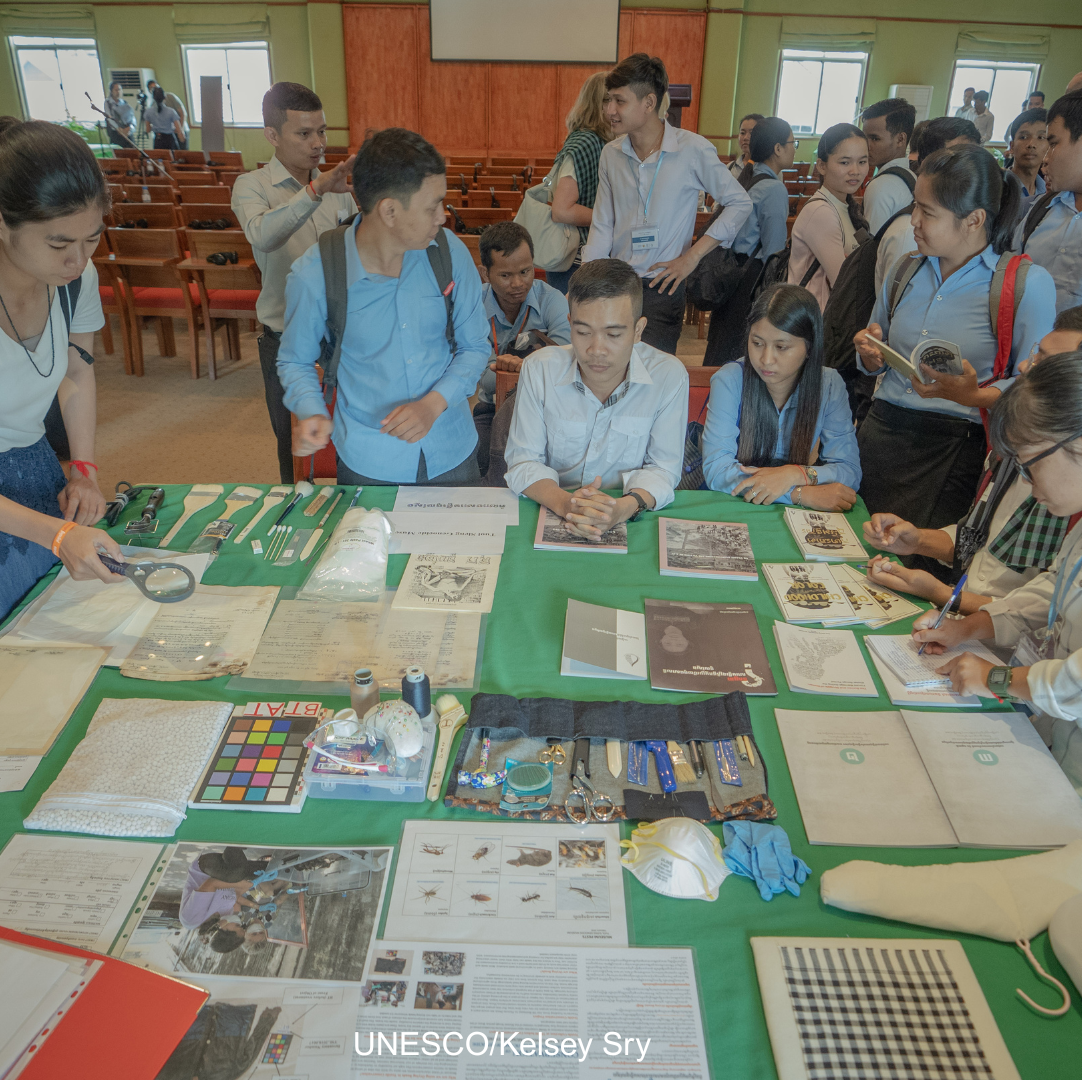
Module 4: Selecting and Working with Primary Sources

Using Primary and Secondary Sources to Build Powerful Knowledge

Module 5: Inquiry-Based Learning

Learner-Centered Approaches to Teaching Violent Pasts

Module 6: Multiperspectivity When Teaching About Violent Pasts

Exploring Multiple Historical Perspectives

Module 7: Facilitating Difficult Conversations

Discussion vs. Debate – Building Dialogue Skills

Module 8: Assessment, Reflection, and Improvement

Assessing Learning and Historical Thinking

Photo by Raelle Cameron on Unsplash, Photo by Ian Hutchinson on Unsplash, Photo by Nathan Cima on Unsplash, Photo by Eduardo Casajús Gorostiaga on Unsplash